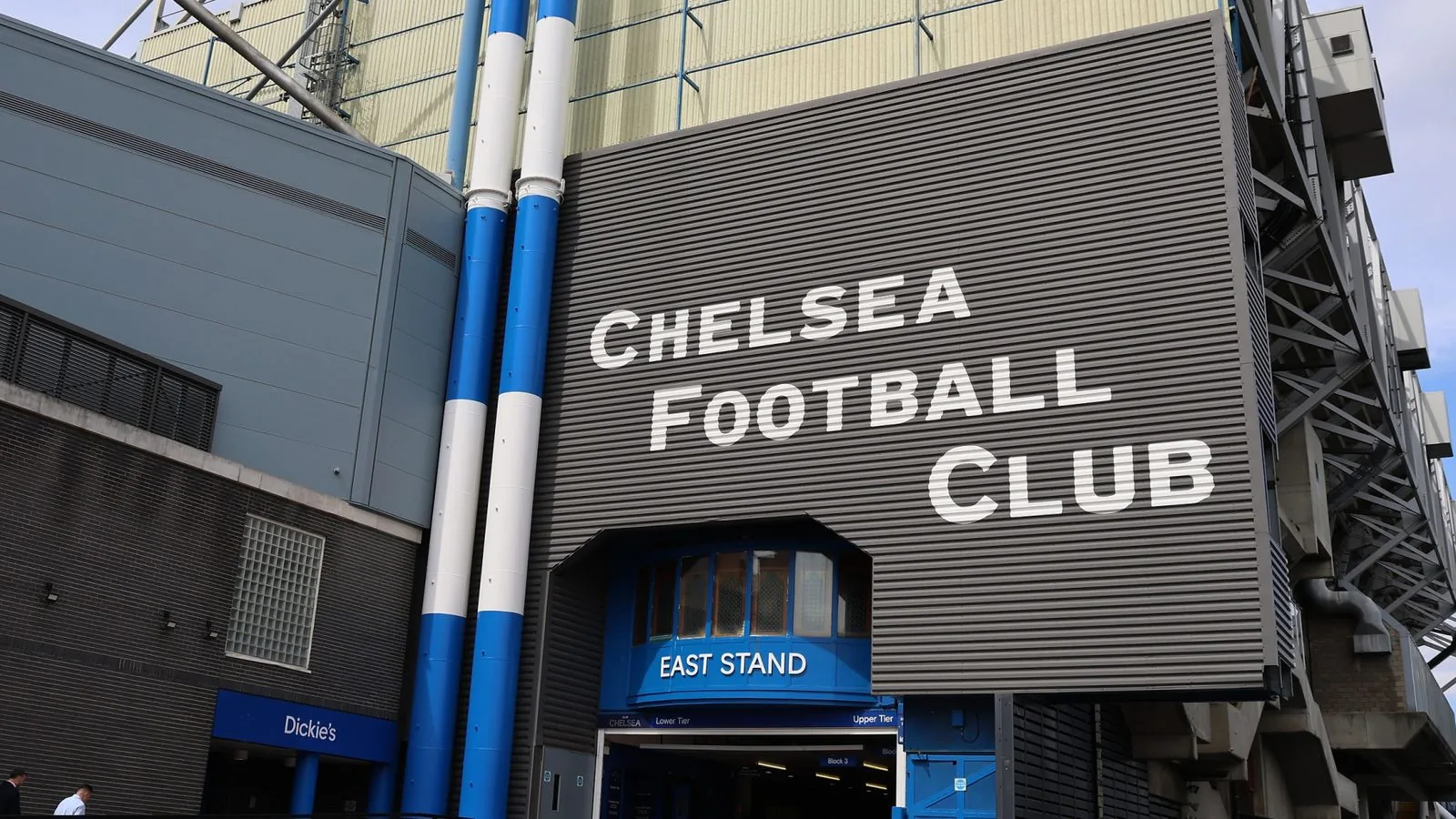

Chelsea have received a £10m fine and a suspended ban from registering new players for two transfer windows. This follows the club’s admission of breaching Football Association rules concerning payments to agents between 2009 and 2022.
The club’s current owners, Todd Boehly and Clearlake Capital, self-reported 74 breaches of FA rules when they acquired the club in 2022. These breaches involved £47m in secret payments to unregistered agents and third parties related to transfers that occurred between 2011 and 2018.
Initially, a six-point deduction was imposed, suspended until 30 June 2027. However, this deduction was later “set aside” on appeal. An independent appeal board replaced the points penalty with the suspended two-window transfer ban.
Details of the Breaches and Penalties
The FA confirmed the sanctions on the west London club, which admitted to 74 breaches of regulations covering agents, working with intermediaries, and third-party investment in players. The club’s new owners brought these potential historical rule breaches to the attention of all applicable regulators in May 2022, during the process of purchasing the club from Roman Abramovich.
The transfers that raised concerns during the takeover process are believed to include deals for players such as Eden Hazard, Samuel Eto’o, and Willian. It is important to note that there is no suggestion of wrongdoing on the part of these players. The FA stated that it is “continuing to investigate individual misconduct arising out of this case.”
The fine was initially set to be £26m but was reduced by a third to £17.25m due to the club’s self-reporting and what was described as “exceptional and unprecedented nature” of co-operation. This co-operation was considered a mitigating factor by the regulatory commission. The fine was then further reduced by another third to £11.4m for an early guilty plea, and finally to £10m because of fines already issued to the club by Uefa and the Premier League.
The FA described the £10m fine as “an appropriate penalty” designed to punish the club, deter similar misconduct, and uphold the integrity of the game. The regulatory commission noted that it was unlikely these matters would have been discovered had the club not brought them to the FA’s attention. The £10m fine will be invested into grassroots football.
Previous Sanctions and Club Response
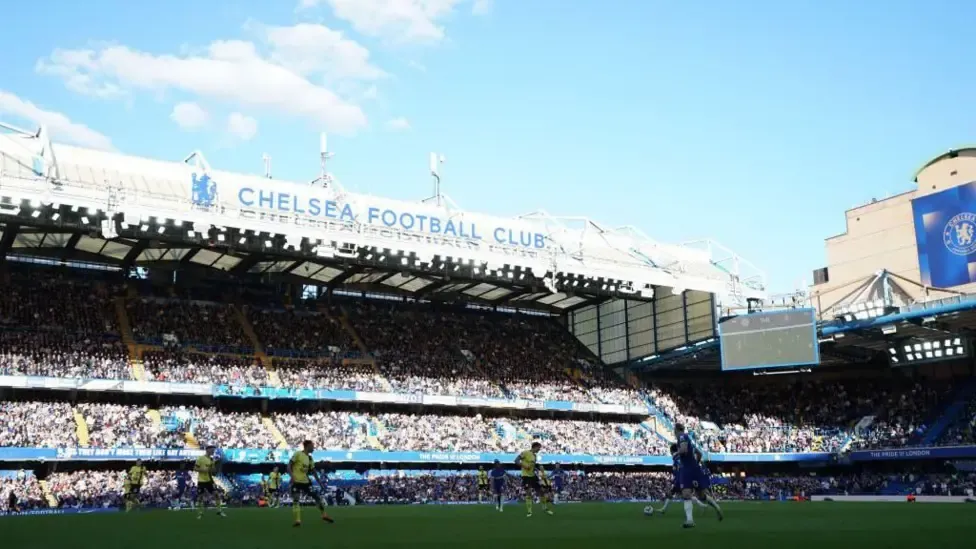
This is not the first time Chelsea has faced penalties related to these matters. The club had previously entered into sanction settlements with Uefa and the Premier League concerning the same self-reported regulatory issues. In March, Chelsea received an immediate nine-month academy transfer ban and a £750,000 fine for the registration of academy players between 2019 and 2022.
Earlier this year, the club was also handed the Premier League’s largest fine, along with a one-year transfer ban suspended for two years. This £10.75m fine was linked to secret payments made to agents, totalling £47.5m, between 2011 and 2018, during Abramovich’s ownership, and breaches of rules regarding youth player registration. The Premier League report mentioned several transfers related to these secret payments, including those involving Hazard, Eto’o, Willian, Ramires, David Luiz, Andre Schurrle, and Nemanja Matic.
In July 2023, Uefa fined Chelsea £8.64m for incomplete financial reporting by the previous owners in 2018 and 2019. At least six suspect payments to offshore companies connected to transfers were identified during that investigation.
All of the breaches that led to these penalties relate to the period when Roman Abramovich was the owner of Chelsea. The club issued a statement expressing its satisfaction that the FA process has concluded, bringing all regulatory proceedings against the club to a close. Chelsea also conveyed gratitude to Uefa, the Premier League, and the FA for their engagement throughout these processes.
Abramovich’s Situation Post-Sale
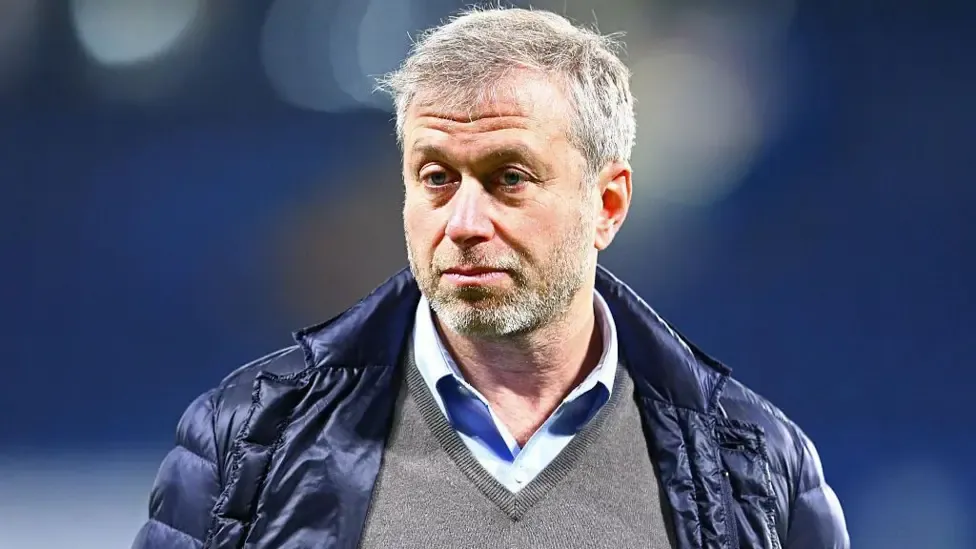
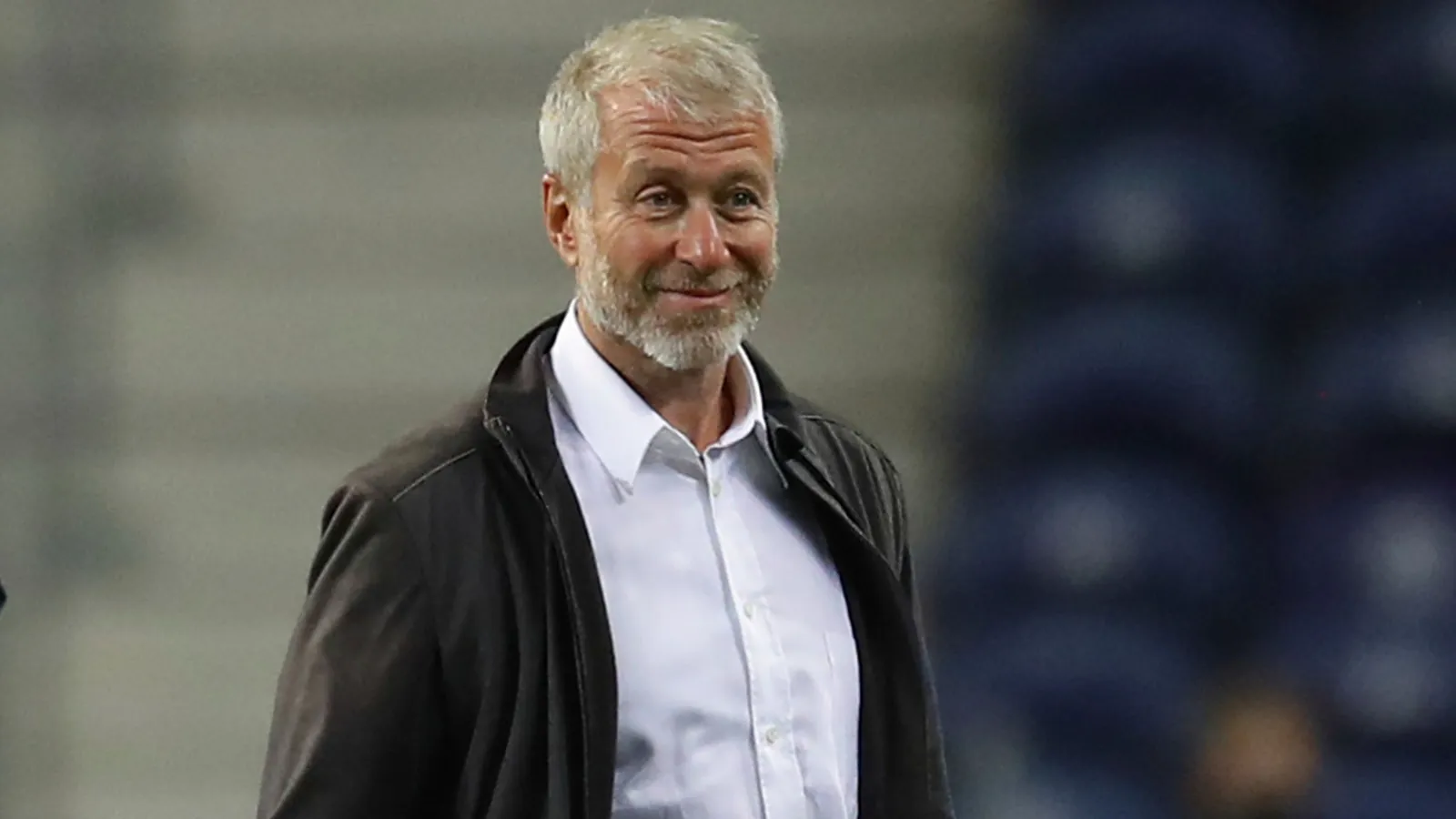
Roman Abramovich was sanctioned by the UK government in March 2022 due to alleged links to Russian president Vladimir Putin, which he has denied. He was granted a special licence to sell Chelsea following Russia’s invasion of Ukraine, under the condition that he could prove he would not benefit from the sale.
Abramovich stated that the funds from the sale would be donated via a foundation “for the benefit of all victims of the war in Ukraine,” which he indicated would include those in Russia. The £2.5bn in proceeds from the sale have been frozen in a UK bank account since the transaction. While Abramovich does not have access to this money, it legally remains his property.
In 2023, reports based on leaked documents from Cyprus alleged new evidence linking the former Chelsea owner to a secret £26m deal in 2010. Abramovich has previously denied any financial relationship with the Russian leader. In June, the Government reportedly threatened to sue Abramovich to ensure the money from the Chelsea sale was directed specifically to Ukrainian humanitarian aid, rather than the broader category of “all victims of the war in Ukraine” as Abramovich had initially stated.
Two months before the sale of Chelsea in May 2022, Abramovich was reported to have suffered from suspected poisoning during peace talks on the Ukraine-Belarus border. The Russian billionaire, who made his fortune in oil and gas, was said to have played a role as a broker in discussions between Ukraine and Russia.
Source: bbc.co.uk

Daniel Fairbrother is the Senior Football Correspondent at Latest News UK, covering the Premier League, the EFL and the England national side with over a decade of reporting experience. He spent eight years on the football desk of a Yorkshire daily before moving into national coverage. He holds a degree in Sports Journalism from the University of Sunderland and completed an NCTJ diploma. Based in Leeds, he watches non-league football and runs a five-a-side league. “The best football stories are won in the week, not on the whistle.”