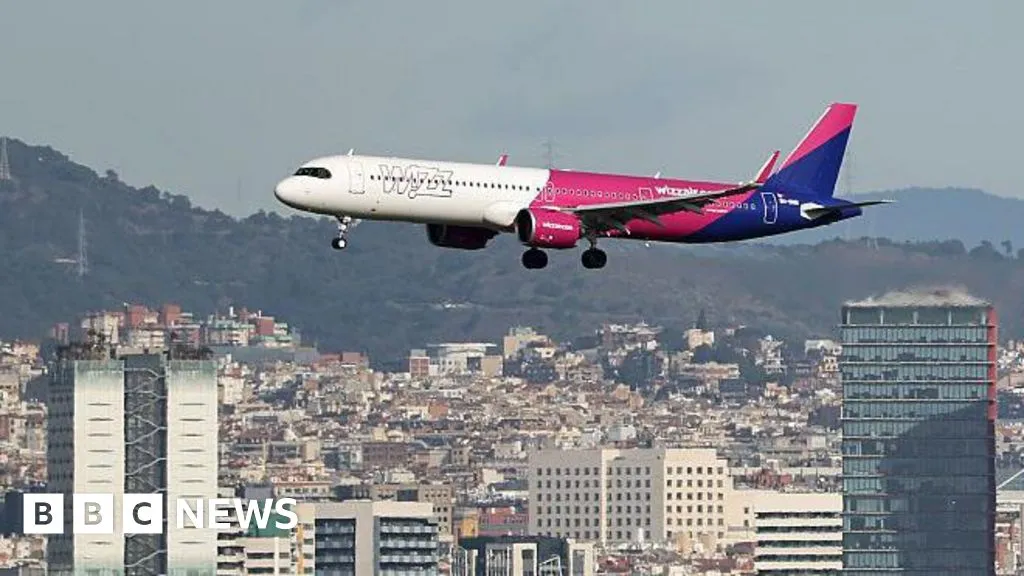

Wizz Air’s CEO, József Váradi, recently rejected claims of impending bankruptcy made by Ryanair’s chief, Michael O’Leary. This assertion comes at a time when fuel prices are soaring due to the ongoing Iran conflict, which has severely disrupted oil shipments through the Strait of Hormuz.
Váradi highlighted Wizz Air’s robust strategy in managing rising costs, specifically pointing out that the airline has hedged 70% of its fuel needs for the summer. Interestingly, while market prices for jet fuel hovered around $1,700 per metric ton, Wizz Air secured its supply at only $700. This substantial difference illustrates their effective fuel hedging tactics.
In response to O’Leary’s warnings about potential bankruptcies among European airlines—suggesting that Wizz Air could be among them—Váradi firmly stated, “O’Leary’s recent comments about Wizz Air’s financial prospects are flatly untrue and false.” He further reassured stakeholders by saying, “I don’t think we’re going to be running out of fuel.” This confidence is reflected in Wizz Air’s upcoming summer schedule, which is set to be 17% larger than last year.
Key financial highlights:
- Wizz Air has a liquidity ratio higher than Ryanair’s.
- The airline holds €2 billion in cash reserves.
- Ryanair has hedged around 80% of its fuel needs at $67 per barrel through March 2027.
- Wizz Air’s CCO reported a progressive hedging strategy: 86%, 71%, and 61% for Q1, Q2, and Q3 2026 respectively.
This situation raises questions about the future stability of airlines within Europe. Observers remain cautious; while Wizz Air appears secure for now, the volatility of fuel prices continues to loom large over the industry. The uncertainty surrounding global oil markets means that no one can predict with certainty how long this operational stability will last. Will other European airlines manage to navigate these turbulent times without succumbing to bankruptcy?

Leo Ashworth is a Sports News Writer at Latest News UK. He cut his teeth on regional sport before specialising in fast breaking-news writing. He focuses on rugby union, golf and boxing and is known for clear, deadline-driven reporting. He holds a degree in Journalism from the University of Central Lancashire and completed an NCTJ diploma. Now based in Newcastle, he follows the European Tour and boxes at an amateur gym. “Get it right first, then tell readers why it matters.”