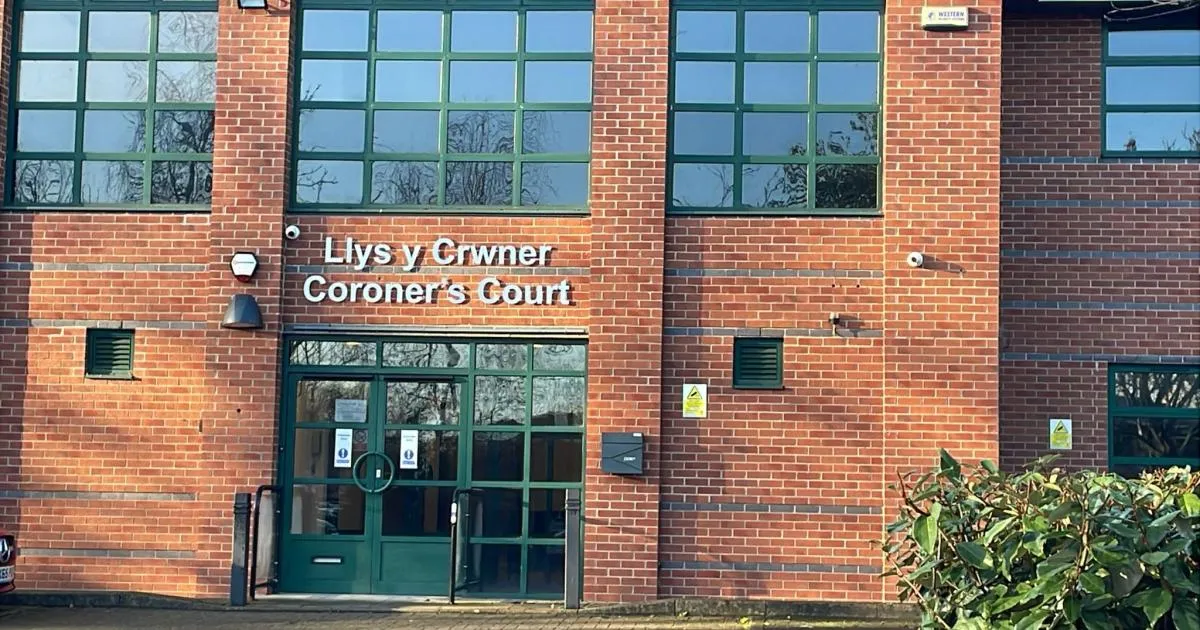

In a heartbreaking revelation, an inquest into the death of Connor Ernest Williamson, a 17-year-old who took his own life after being bullied during army training, has uncovered systemic failures in mental health care. Connor’s struggle with mental health issues was exacerbated by bullying, yet his case was deemed routine by authorities.
Connor had long aspired to join the military. However, his mental health deteriorated significantly leading up to his tragic death. Despite expressing suicidal thoughts and having previous overdoses, he waited an agonizing 90 days for his first face-to-face assessment. His family sought help multiple times but faced barriers that ultimately proved fatal.
The coroner, Yvonne Blake, expressed her confusion over how Connor’s case was marked as routine, stating, “I cannot get my head around that being marked as routine.” This statement underscores the shocking disconnect between Connor’s clear need for support and the response from the systems designed to help him.
Key findings from the inquest:
- Connor’s case was categorized as routine despite serious warning signs.
- The NHS acknowledged failings in Connor’s care and issued an apology to his family.
- Bullying during military training played a crucial role in his mental decline.
This situation is not isolated. Another recent inquest revealed that Kevin McCarthy, aged 51, died from sepsis caused by a gluteal abscess after injecting recreational drugs. The coroner concluded that Mr. McCarthy’s death was drug-related—a stark reminder of how intertwined issues of mental health and substance abuse can be.
Meanwhile, the inquest into Robert Antony Wilson Lea’s death is still pending further investigations following his drowning in the Maldives at age 69. These cases highlight ongoing concerns about how vulnerable individuals are treated across various sectors of healthcare and support systems.
Ultimately, these findings raise critical questions about how we prioritize mental health care within institutions like the military and the NHS. If tragedies like Connor Williamson’s can occur under such circumstances, what does this say about our approach to suicide prevention and support for those facing bullying?

Leo Ashworth is a Sports News Writer at Latest News UK. He cut his teeth on regional sport before specialising in fast breaking-news writing. He focuses on rugby union, golf and boxing and is known for clear, deadline-driven reporting. He holds a degree in Journalism from the University of Central Lancashire and completed an NCTJ diploma. Now based in Newcastle, he follows the European Tour and boxes at an amateur gym. “Get it right first, then tell readers why it matters.”