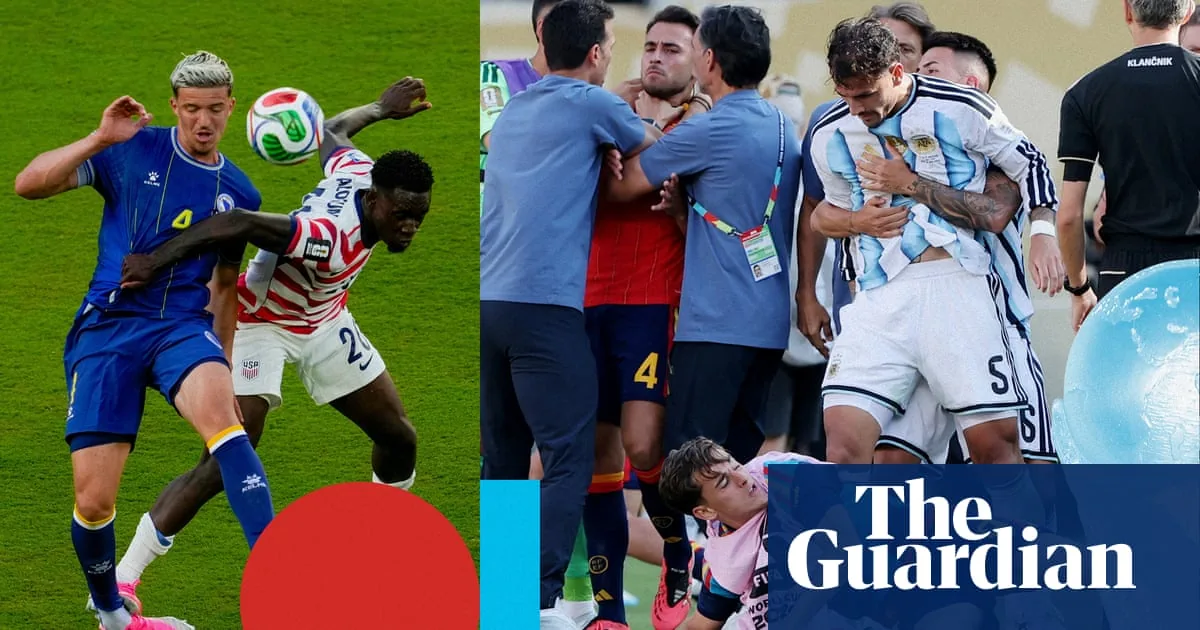

Tournament Overview and Controversies
The 2026 World Cup, hosted across the United States, Mexico, and Canada, was described by Fifa president Gianni Infantino as potentially the “biggest event in the history of mankind.” The tournament expanded to include 48 teams for the first time, with nations such as Curacao, Cape Verde, Jordan, and Uzbekistan making their debut appearances. This expansion aimed to generate more storylines and colour, particularly during the group stage.
However, the tournament was not without its controversies. Issues such as high ticket prices, the treatment of Iran, and the impact on host cities drew criticism. In the US and Canada, there were reports of homeless individuals being displaced, while Mexico faced concerns regarding water extraction and environmental damage linked to World Cup projects. A double-page spread in an Italian newspaper reportedly called the tournament a “disaster,” citing problems with ticket prices, weather conditions, and the increased number of games alongside decreased rest periods.
The organisation of the event also faced scrutiny, with some venues, notably Houston and Atlanta, making efforts to be welcoming. However, overall basic organisation and facilities for media personnel were considered by some to be among the worst in at least six World Cups. This was seen as indicative of a broader approach by Fifa towards media and fans.
On-Field Action and Rule Changes
Despite the off-field issues, the football itself was generally considered good, though not exceptional. Several dramatic matches occurred, particularly in the last 32 and last 16 rounds, including Brazil against Japan, Morocco versus the Netherlands, and Argentina against Cape Verde. The quarter-finals, however, were noted as less inspiring. Argentina‘s semi-final victory over England was thrilling, while Spain‘s win against France was described as relatively straightforward.
The final match was characterised as a “dismal, awful affair,” with the winning team securing victory in a “bloodless way.” This outcome, according to one assessment, negatively impacted the overall perception of the tournament, placing it behind previous editions like 2022 and 2018.
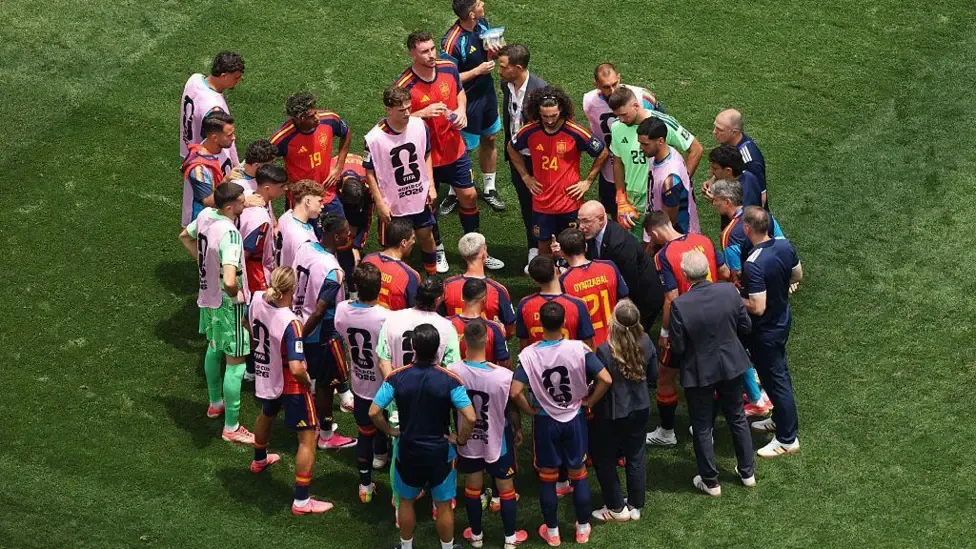
New rules and policies were implemented, including mandatory three-minute hydration breaks in every match, regardless of conditions. While Fifa stated these breaks were for player welfare, they also allowed broadcasters to air commercials. These stoppages became a point of frustration for supporters, and coaches often used them as tactical timeouts, influencing the course of several games.
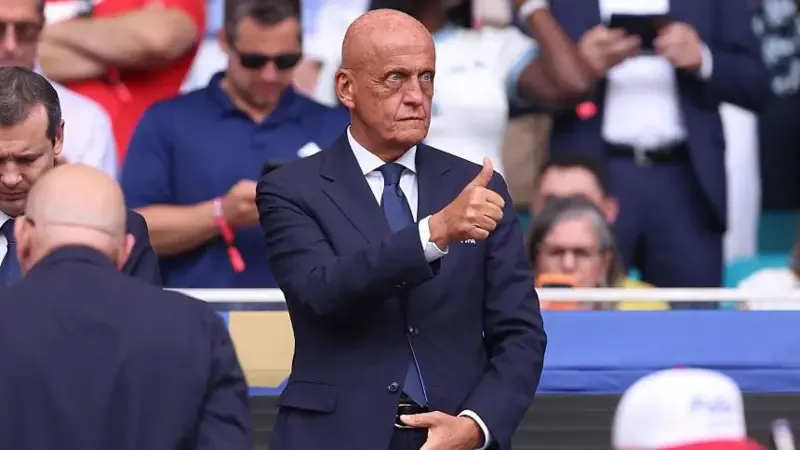
Pierluigi Collina, Fifa‘s head of referees, introduced measures to improve the tempo of games, urging officials to quicken play during throw-ins, goal-kicks, and substitutions, and to curb delays caused by players feigning injuries. These efforts resulted in an average match length of 96 minutes 24 seconds, with a ball-in-play time of 58 minutes 15 seconds, an improvement in efficiency compared to the 2022 World Cup.
Political Interference and Seeding
The tournament was also marked by political interference. The “Balogun Affair” involved the overturning of Folarin Balogun‘s red card, a decision that broke a 64-year precedent. This intervention, reportedly influenced by US President Donald Trump, allowed Balogun to play against Belgium, a match where Belgium defeated the co-hosts 4-1. This incident raised significant questions about political influence in the competition.
Fifa‘s new seeding policy aimed to prevent top-ranked teams from meeting early in the knockout stages. Argentina, England, France, and Spain were given special status, drawn into separate quarters of the draw. To ensure that the top two ranked teams, Argentina and Spain, could not meet before the final, Fifa reportedly swapped Argentina into Group J and France into Group I. This adjustment meant an Argentina-Spain final would be possible, whereas without the swap, England would have played France in the semi-finals, and an Argentina-Spain final would not have occurred.
Read Also
Source: theguardian.com

Leo Ashworth is a Sports News Writer at Latest News UK. He cut his teeth on regional sport before specialising in fast breaking-news writing. He focuses on rugby union, golf and boxing and is known for clear, deadline-driven reporting. He holds a degree in Journalism from the University of Central Lancashire and completed an NCTJ diploma. Now based in Newcastle, he follows the European Tour and boxes at an amateur gym. “Get it right first, then tell readers why it matters.”