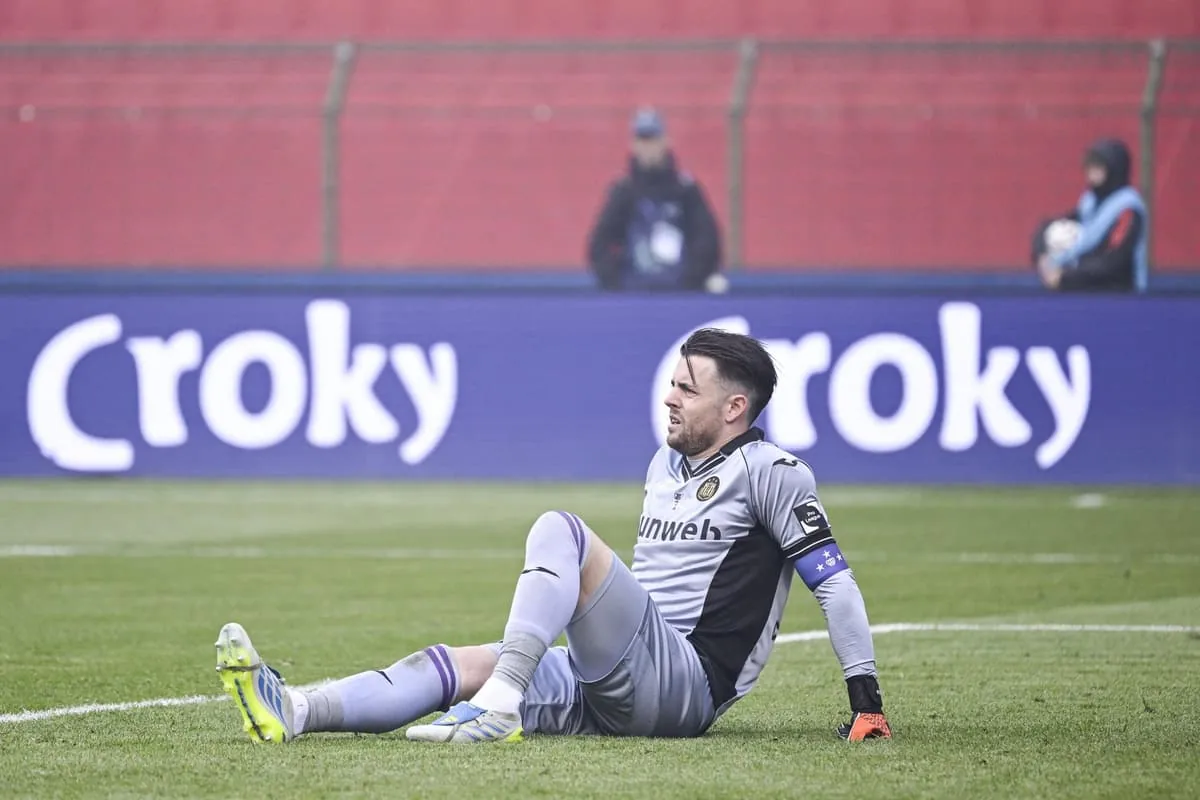

English football’s top leagues are preparing to trial new measures aimed at addressing goalkeeper tactical timeouts. The Premier League, EFL, FA, National League, WSL, and Pro Ref have all agreed to participate in the trial, following approval from the International Football Association Board (IFAB).
The trial seeks to prevent situations where goalkeepers may feign injury to create stoppages, allowing coaches to regroup and provide tactical instructions. Under the new rule, if a referee signals for a physio to treat a goalkeeper, the team’s coach will have 10 seconds to nominate an outfield player to leave the pitch for one minute. If no player is selected within this timeframe, the team captain will be required to leave the field temporarily.
The nominated player must remain off the field for a minimum of one minute after play restarts. This measure is intended to ensure that genuine injuries receive appropriate medical attention while removing any potential sporting advantage gained from stoppages.
Trial Implementation and Specifics
The trial is set to be implemented immediately, with its first potential appearance in the Carabao Cup preliminary round. The English game has opted for a version of the trial where managers nominate a player, differing from other leagues, such as Australia’s A-League, which will test a version where the captain always leaves the field.
There will be specific exceptions to this rule. An outfield player will not be required to leave the field if the goalkeeper has been fouled, has collided with another player, or if there is any concern about a serious injury, including a concussion, or if the goalkeeper is bleeding. The aim is to differentiate between genuine medical needs and tactical delays.
IFAB had indicated its intention to address these tactical timeouts at its annual general meeting in February. FIFA‘s refereeing chief, Pierluigi Collina, had also instructed officials at this summer’s tournament to prevent players from going to the technical area during treatment stoppages.
Past Incidents and Future Outlook
The issue of tactical timeouts has been highlighted in recent seasons. In November, Leeds United boss Daniel Farke accused Manchester City goalkeeper Gianluigi Donnarumma of feigning injury during a Premier League match. Farke suggested this was done to allow City manager Pep Guardiola to communicate with his players.
Similarly, in December, Gary Neville commented on an incident involving Newcastle goalkeeper Aaron Ramsdale during a match against Manchester United. Neville theorised that Ramsdale’s stoppage was prompted by an instruction from Lewis Hall, which originated from Magpies boss Eddie Howe. In March, Brighton boss Fabian Hurzeler also criticised David Raya for an apparent tactical timeout.
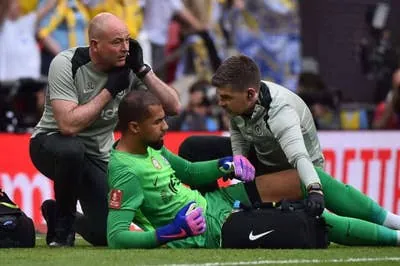
The logic behind the trial is to close a loophole that has allowed teams to exploit the rules. While outfield players receiving treatment must leave the field for a minute, sending a goalkeeper off would be too significant a disadvantage. This new measure aims to deter teams from using such tactics unless an injury is genuine, by imposing a temporary numerical disadvantage.
English football will continue to monitor the trial’s effectiveness throughout the season, in collaboration with IFAB and other stakeholders. If the trials are successful, the measure could be formally added to the game’s laws in time for the 2027-28 season.
Source: skysports.com

Leo Ashworth is a Sports News Writer at Latest News UK. He cut his teeth on regional sport before specialising in fast breaking-news writing. He focuses on rugby union, golf and boxing and is known for clear, deadline-driven reporting. He holds a degree in Journalism from the University of Central Lancashire and completed an NCTJ diploma. Now based in Newcastle, he follows the European Tour and boxes at an amateur gym. “Get it right first, then tell readers why it matters.”