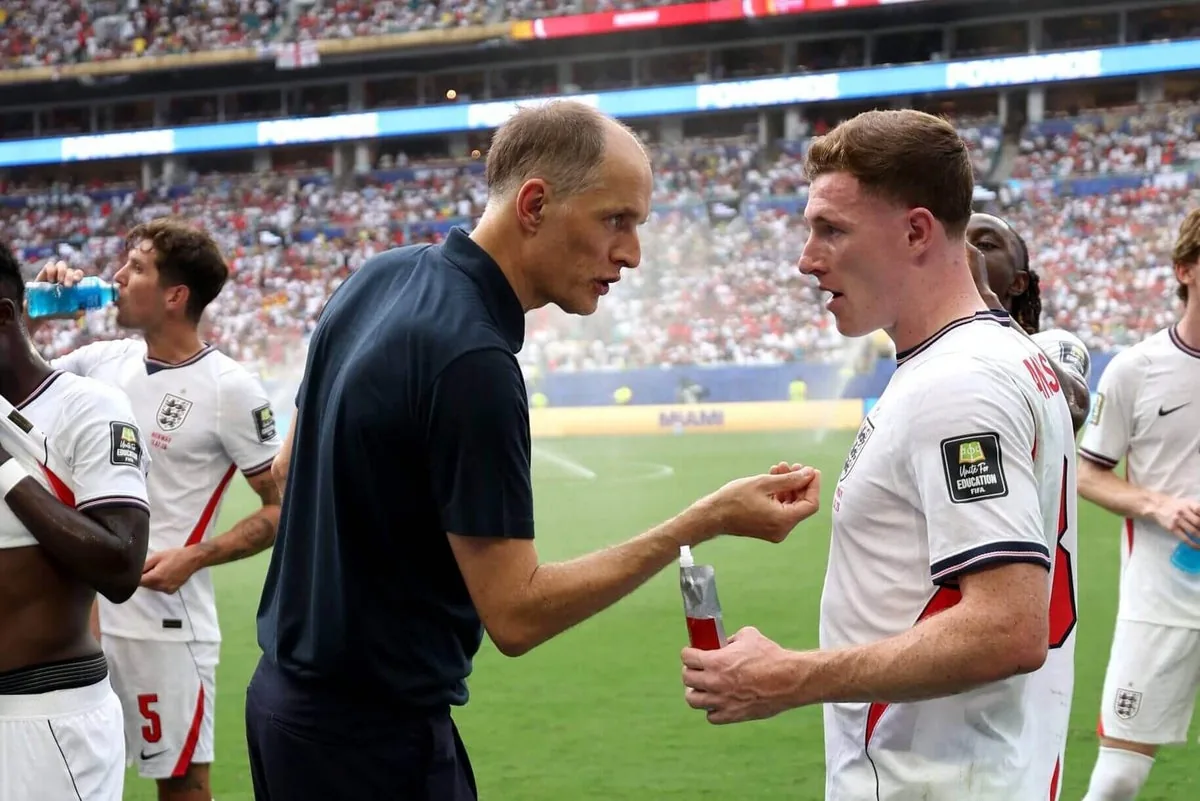

Thomas Tuchel, England’s coach, reflected on his team’s 2-1 victory, acknowledging the effort and spirit displayed by the players while also emphasising the need for improved football. He noted that despite the high-stakes match and challenging conditions, his analytical approach as a coach indicated room for better performance.
The match, a quarter-final played in humid conditions, saw a slow start, with the first shot on goal not occurring until 29 minutes in, a free kick from Harry Kane. This marked the longest wait for a shot in any of the 99 matches in the tournament up to that point.
Half-time adjustments and their effects
Before half-time, Norway took the lead with an opener that deceived Jordan Pickford. Jude Bellingham then scored an equaliser shortly before the break. Despite the leveller, Tuchel proceeded with his planned half-time substitutions. These changes included withdrawing Declan Rice and Noni Madueke. Bukayo Saka replaced Madueke, and Eberechi Eze came on for Rice. Rice had been playing in a deeper position than usual alongside Elliot Anderson, and Tuchel aimed to limit Rice’s running due to a recent illness.
Tuchel explained that the intention behind these changes was to make the team more offensive, a decision made after falling behind 1-0. He sought higher positioning and more connections against Norway’s deep block. However, England’s performance initially declined following these substitutions. Anderson, who had been pushing forward, was moved into a deeper midfield role, while Eze played alongside Bellingham, who also dropped slightly deeper. This setup hindered England’s ability to progress the ball, with Eze and Bellingham waiting for passes that did not materialise. Norway gained the initiative, and a goal from them was disallowed due to a foul.
Further tactical shifts and late impact
Around 70 minutes into the match, Tuchel made further adjustments. Reece James was brought on for Anthony Gordon, with James moving into a midfield role he had previously played for Chelsea. This allowed Anderson to push forward again alongside Bellingham, and Eze shifted to the left wing. Initially, England did not appear more secure, with James’ first pass causing issues.
Subsequent changes, permitted due to emergency alterations to football’s laws, saw England eventually take the initiative. Djed Spence replaced Nico O’Reilly at left-back, and Morgan Rogers came on for Ezri Konsa, who could not continue. James then moved to right-back, and Anderson was again positioned as the lone holding midfielder, a role that changed multiple times during the match.
In extra time, England gained momentum. Rogers and Spence provided energy, with Rogers’ shot leading to Bellingham converting the rebound for the winning goal. Spence was particularly effective in extra time, contributing with forward runs and dribbling. Kane later commented on Spence’s impact, highlighting the energy and one-v-one duels he brought to the game, which helped change the match for England. Tuchel’s sixth change involved bringing on Dan Burn, who played a role similar to his previous appearance against Mexico as an additional centre-back.
Tuchel detailed the complex series of positional changes for players like Bellingham and Anderson throughout the match. He noted that Bellingham started as a right No. 10, moved to a left No. 8 role, then back to a right No. 10, with Anderson’s role shifting between pushing forward and playing as a lone holding midfielder. The coach stated that the attacking formula is straightforward: pairing Kane and Bellingham together to create opportunities.
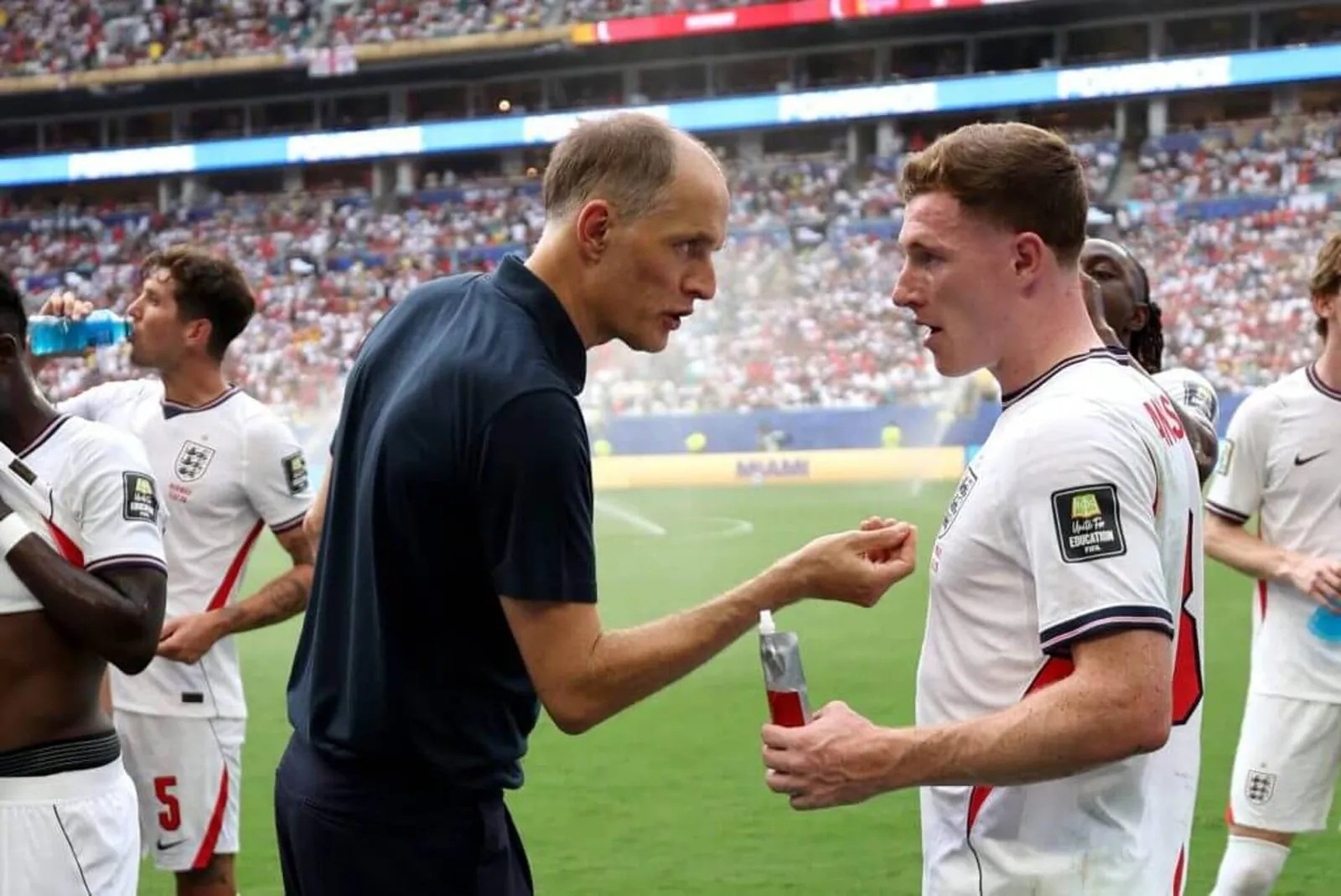
John Stones, one of only four England players to complete the full 120 minutes, played 439 minutes in the Premier League last season.
Read Also
- England prepare for World Cup quarter-final clash against Norway in Miami
- Norway coach Ståle Solbakken claims ball struck cable before England equaliser
- Las Vegas: Conor McGregor's UFC return ends in 69 seconds due to knee injury
- England's Harry Kane believes team can reach another level at World Cup 2026
Source: newstatesman.com

Leo Ashworth is a Sports News Writer at Latest News UK. He cut his teeth on regional sport before specialising in fast breaking-news writing. He focuses on rugby union, golf and boxing and is known for clear, deadline-driven reporting. He holds a degree in Journalism from the University of Central Lancashire and completed an NCTJ diploma. Now based in Newcastle, he follows the European Tour and boxes at an amateur gym. “Get it right first, then tell readers why it matters.”