
Leadership Changes in England Test Cricket
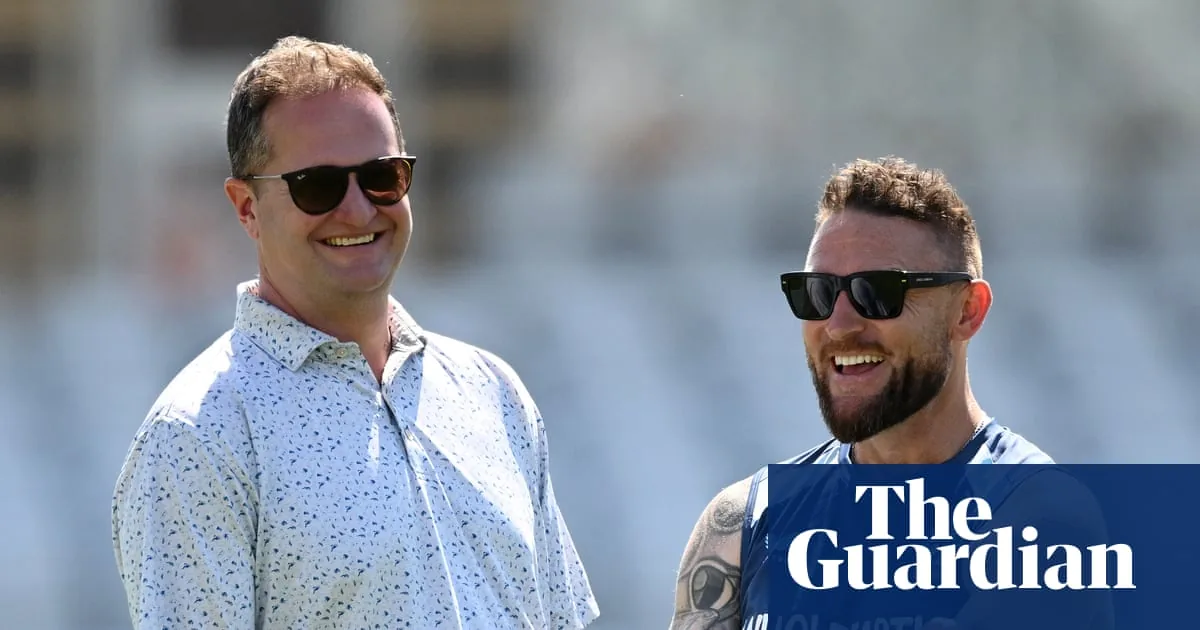
The England Test cricket team is undergoing significant leadership changes, with both the captain and coach positions seeing departures. This follows a period of notable performances and subsequent challenges for the team.
The approach, once described as aggressive and initiative-driven, saw its defining characteristics become less evident over time, leading to less convincing results. The philosophy, which inspired the term ‘Bazball’, was always a point of irritation for Brendon McCullum, who described it as “silly.”
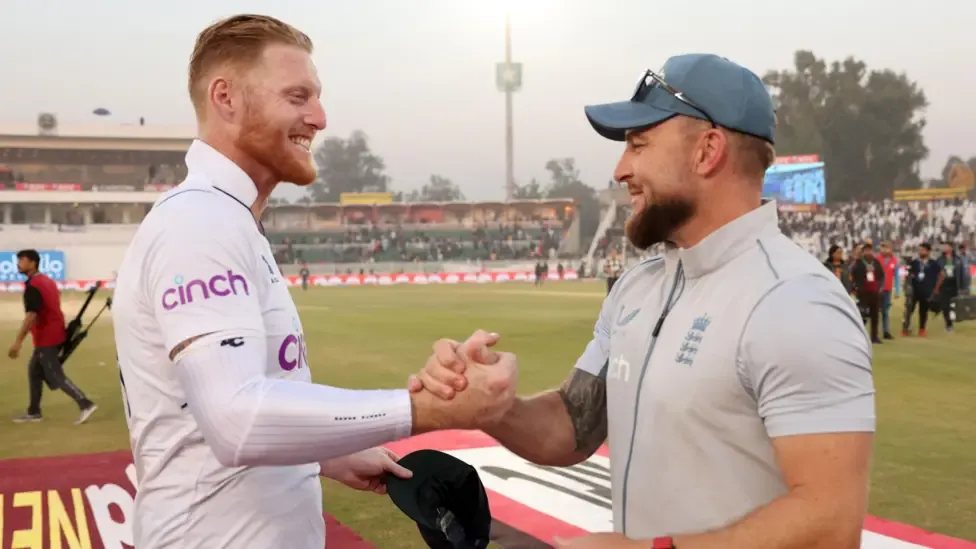
The team experienced a period of remarkable success following McCullum’s arrival and Ben Stokes’ appointment as Test captain. In the summer of 2022, they successfully chased significant targets against New Zealand and India, and came back to win a series against South Africa. This period created lasting memories for many who witnessed the team’s play.
A 3-0 series victory in Pakistan further highlighted the team’s capabilities. However, the subsequent Ashes series in 2023, which ended in a 2-2 draw despite a comeback from being 2-0 down, led to a strong focus on reclaiming the urn in Australia.
Challenges and Shifting Strategies
McCullum, who had previously stated his coaching style focused on man-management and creating the right environment, inherited an experienced group of players. These included Stokes, James Anderson, Joe Root, Jonny Bairstow, Stuart Broad, Chris Woakes, and Mark Wood. He was credited with liberating these players, allowing them to play with freedom.
However, when the focus shifted to building a new England team, McCullum’s style was reportedly less suited to developing a new generation of players. He acknowledged over-estimating the readiness of younger players for the challenges of an Ashes tour, which resulted in a 4-1 series loss.
Following the Ashes series, McCullum indicated a willingness for evolution, suggesting that if he couldn’t steer the ship, someone else might be better suited. Despite this, he remained in his role, alongside Stokes and Rob Key, the director of cricket. Changes were implemented, including a curfew, restrictions on alcohol, a team chef, and an expanded backroom staff, which some felt deviated from McCullum’s previously informal environment.
The chief executive of the England and Wales Cricket Board, Richard Gould, and the chair, Richard Thompson, had previously chosen not to make a change after the Ashes, a decision that has been re-evaluated in light of recent events.
Looking Ahead for England Cricket
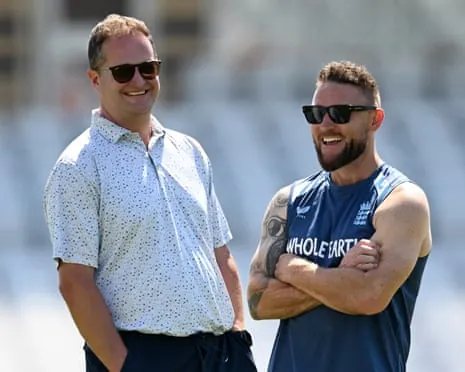
The departure of the captain and coach leaves the England Test team in a position similar to four years prior, without leadership in both roles. Key is now tasked with appointing the next head coach, with suggestions for potential candidates emerging.
Andy Flower, who previously led England to a series win in Australia and the top of the world rankings, is considered a potential candidate. Other names mentioned include Jonathan Trott and Richard Dawson. The new Test coach will be expected to work alongside McCullum, who remains in his role as white-ball coach.
The split coaching roles have historically presented challenges for England, often leading to one team taking priority. The demanding schedule makes it difficult for one individual to manage both responsibilities. The new setup will need to ensure effective player management and balanced selection across both formats.
Once a new coach is in place, a captain can be appointed. The idea of a split captaincy model is being considered. Harry Brook is seen as a likely candidate to replace Stokes as Test captain, having developed a strong working relationship with McCullum in the white-ball teams. This raises the possibility of Brook and McCullum continuing as a pair, with the new Test coach opting for a different skipper.
The events that began in Perth in November have culminated in significant changes in July, indicating a substantial rebuilding effort ahead for English cricket.
Read Also
Source: bbc.co.uk

Leo Ashworth is a Sports News Writer at Latest News UK. He cut his teeth on regional sport before specialising in fast breaking-news writing. He focuses on rugby union, golf and boxing and is known for clear, deadline-driven reporting. He holds a degree in Journalism from the University of Central Lancashire and completed an NCTJ diploma. Now based in Newcastle, he follows the European Tour and boxes at an amateur gym. “Get it right first, then tell readers why it matters.”