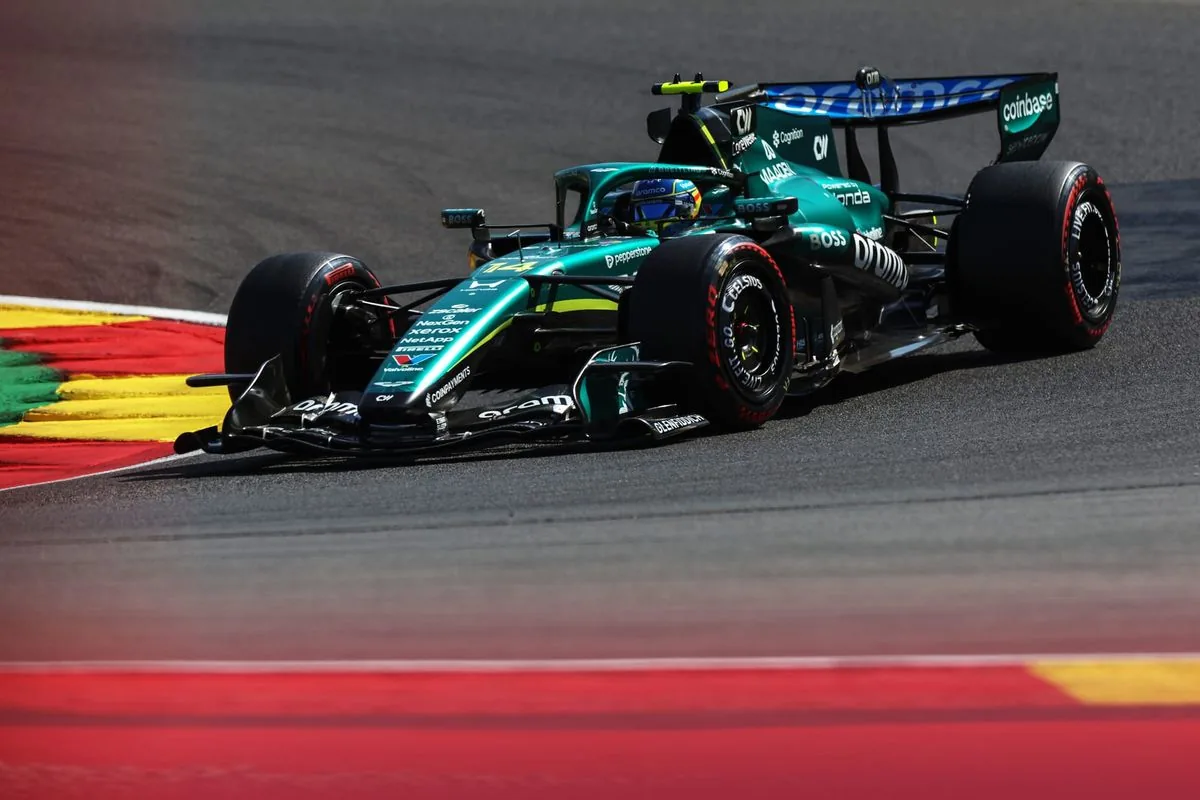

Aston Martin is set to introduce a significant upgrade package at the Hungarian Grand Prix, a move that driver Fernando Alonso views with optimism, though he cautions against high expectations. The team’s new package includes a revised car with reduced weight, a new chassis, and substantial aerodynamic changes. This marks their first major upgrade of the year, following a season start where both the car and engine performance were below par.
Alonso noted that Budapest’s circuit is generally favorable for the team, as power is not the primary factor. He expressed interest in understanding the car’s new direction and whether the updates will unlock performance. The team opted to introduce all new parts at once, a departure from the usual strategy of gradual, smaller upgrades. This decision was made to efficiently manage their budget within the sport’s spending cap. However, this approach has meant that Aston Martin has progressively fallen behind other teams.
Recent races at Silverstone and Spa have been particularly challenging due to the performance limitations of their Honda engine. Even at the Spanish Grand Prix, a track more reliant on cornering, the team was significantly off the pace. Alonso is therefore reluctant to predict specific outcomes for the weekend, stating that his focus is on assessing the car’s new direction rather than on numbers or positions.
Team’s Strategic Decisions and Challenges
Adrian Newey, Aston Martin‘s chief technical officer, explained that the team quickly realized they would not be competitive in the early races. They made the difficult decision to halt developments during the first half of the year, understanding that this would widen the gap to leading teams. This strategy allowed them to reorganize, implement new systems, and conduct thorough research, particularly for the 2026 car. The upgrade package for Hungary is the first phase of this plan, with a second stage planned for Zandvoort.
The team’s decision to delay upgrades contrasts with other teams that have introduced incremental improvements throughout the season. Newey acknowledged that this made each race weekend more challenging, but believes it was the right investment for their future. He also highlighted that the team started serious work on the 2026 car in mid-March 2025, placing them several months behind competitors in wind tunnel development.
The new package for Hungary involves significant changes, including weight reduction in the chassis and gearbox architecture, which required re-homologation and crash testing. While the front suspension remains unchanged, the rear suspension has been slightly revised. A new nose and substantially updated aerodynamic surfaces are also part of the overhaul. The goal is to bring the car very close to the weight limit through these modifications.
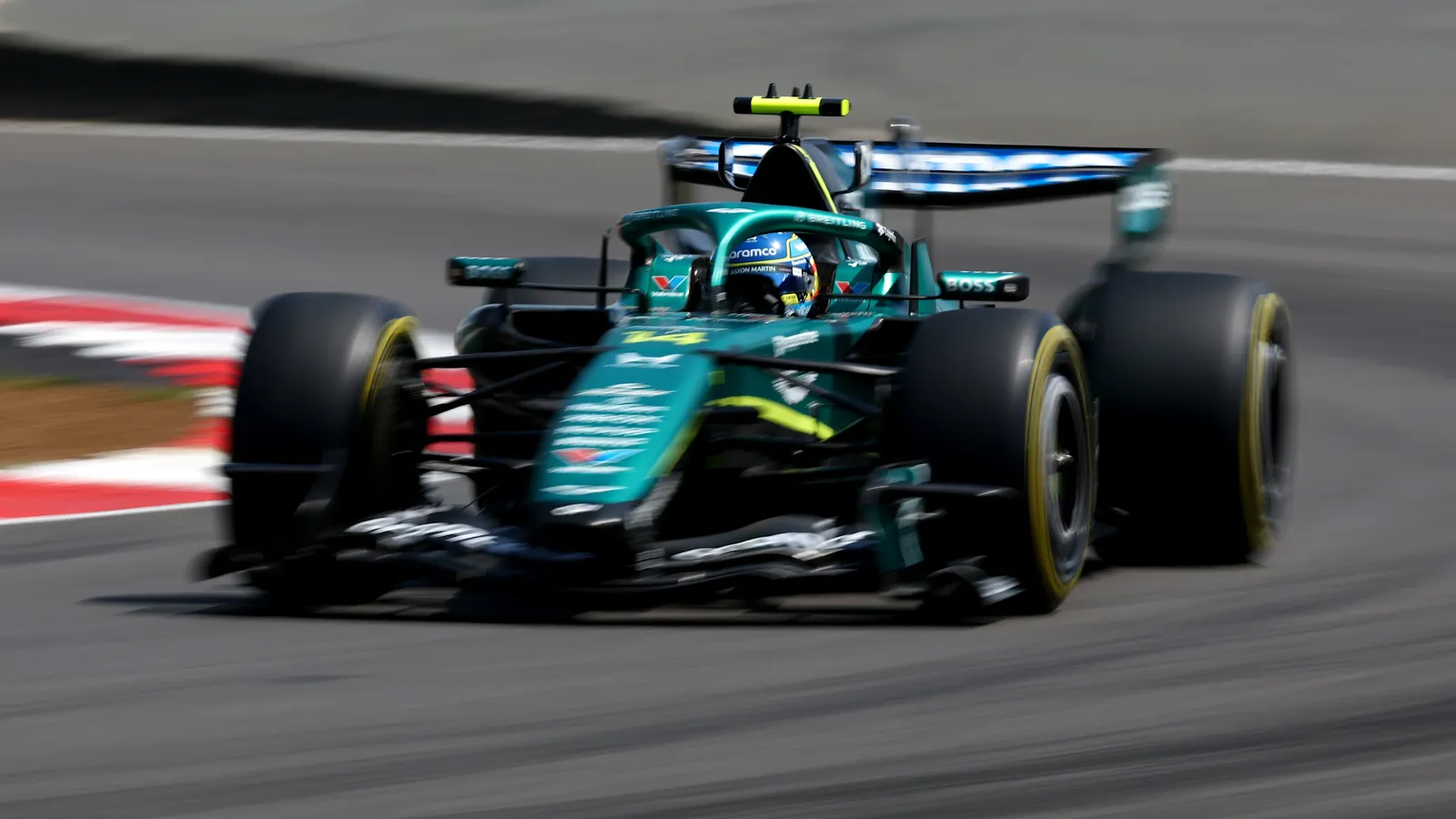
Mike Krack, Chief Trackside Officer, emphasized that the most important goal for the team is to return to competitive racing, as they have struggled to keep up with the midfield in recent events. He expressed optimism for the future now that the period without upgrades is over. The chassis upgrade will be complemented by a new engine from Honda at the Dutch Grand Prix, following the Formula 1 summer break.
Alonso’s Future and Driving Experience
Alonso, whose contract concludes at the end of the season, is considering his future in F1. He has reiterated his long-term commitment to Aston Martin, regardless of whether he continues racing. However, his decision will not solely depend on the performance of the new upgrade. He is also evaluating whether the energy management demands of the current F1 engines provide sufficient enjoyment as a driver.
This issue is more pronounced on high-speed tracks like Spa and Silverstone. In contrast, the Hungarian Grand Prix circuit, being slower, is not expected to present the same engine management challenges. Alonso expressed confidence that the team will resolve its problems, stating that he has no doubt Adrian Newey will eventually deliver a top-tier car. He also believes Honda will address its power unit issues over time.
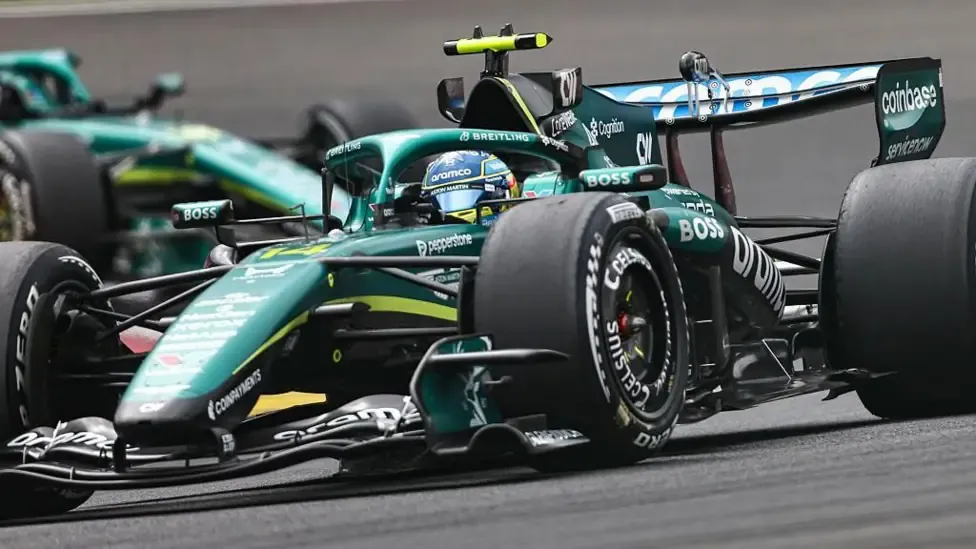
Alonso reflected on the lack of enjoyment in driving at Silverstone and Spa, noting that the current direction of F1 cars does not provide the same adrenaline he once experienced. He seeks to understand his plans for the coming years, feeling motivated and fast, but needing to enjoy his work. He clarified that his decision is not based on the team’s current performance, which he believes does not reflect their true potential.
Lance Stroll, Alonso’s teammate, has also voiced frustration with the car’s performance, stating that it lacks strengths. He even described deliberately pushing the car to extreme limits at Silverstone to highlight its deficiencies to the team. The upcoming upgrade package is seen as a crucial step for Aston Martin to improve its standing and potentially retain its star driver, Fernando Alonso.
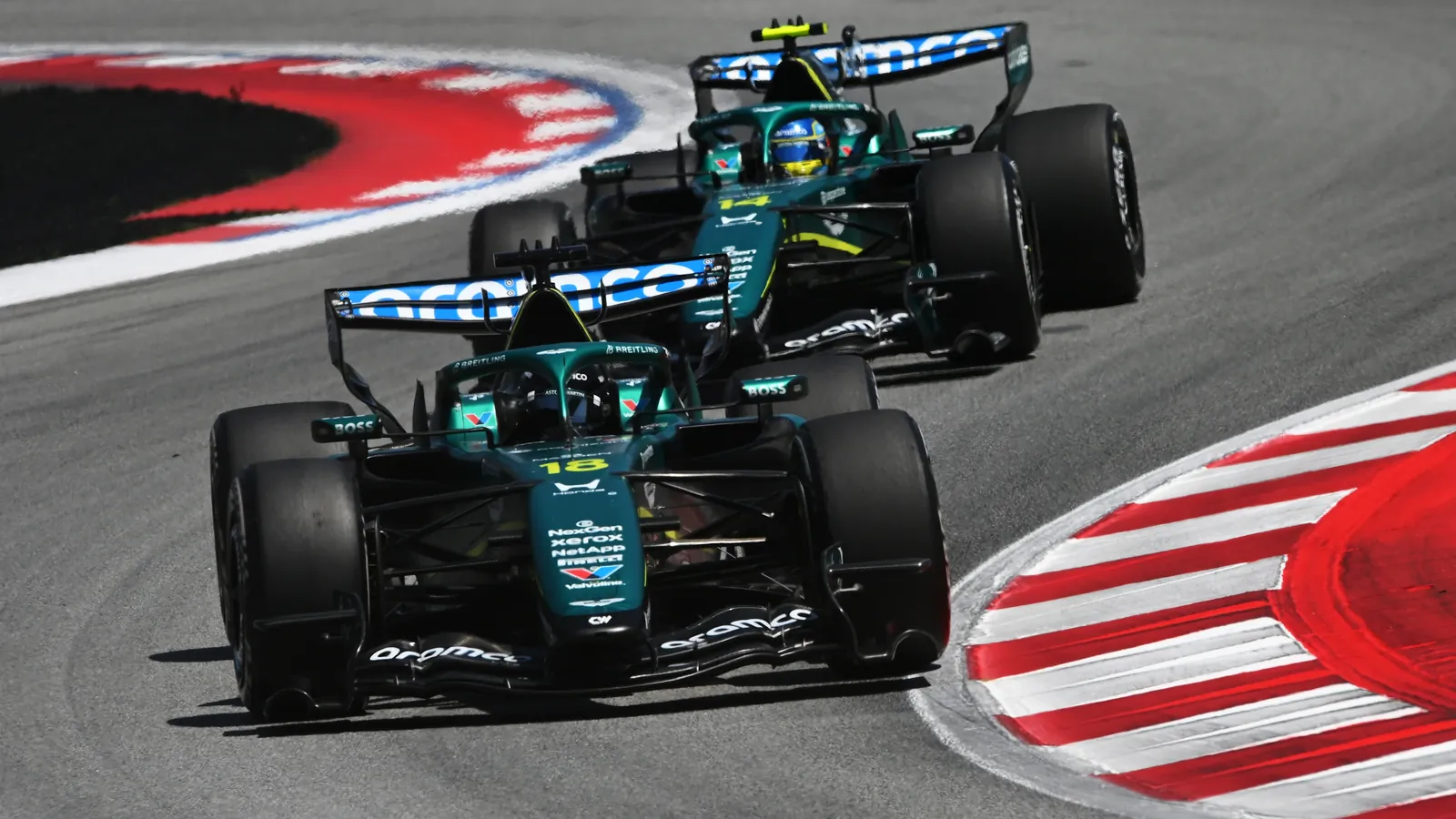
The team’s internal targets suggest the upgrade could be worth several seconds in lap time, potentially up to two seconds, covering the new aero package and car revisions. This includes the Honda engine upgrade scheduled for the Dutch Grand Prix, the first race after the summer break.
Honda‘s Shintaro Orihara, Trackside General Manager and Chief Engineer, noted that the relationship with Aston Martin has strengthened through challenging times, fostering better collaboration between the factory in Silverstone and Honda‘s engine headquarters in Sakura. The team is counting on the new package to make a significant difference at the Hungarian Grand Prix.
Read Also
Source: bbc.co.uk

Daniel Fairbrother is the Senior Football Correspondent at Latest News UK, covering the Premier League, the EFL and the England national side with over a decade of reporting experience. He spent eight years on the football desk of a Yorkshire daily before moving into national coverage. He holds a degree in Sports Journalism from the University of Sunderland and completed an NCTJ diploma. Based in Leeds, he watches non-league football and runs a five-a-side league. “The best football stories are won in the week, not on the whistle.”