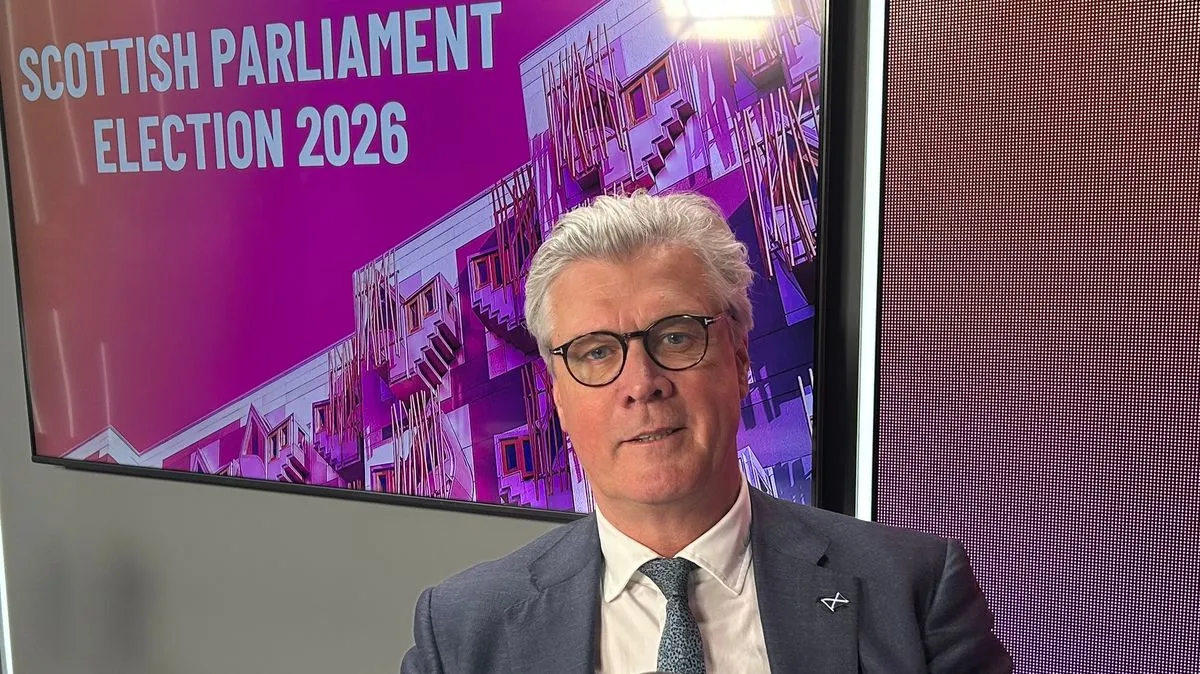

Is it fair for a politician with such immense wealth to influence public policy? Malcolm Offord, leader of Reform UK in Scotland, believes he can still become First Minister after the upcoming Holyrood election. However, his ownership of six houses, six boats, and five cars has drawn sharp criticism, particularly from the Scottish Greens.
The Scottish Greens have proposed an ‘Offord tax’ aimed at discouraging property hoarding. This tax would increase the rate for every additional property owned, directly targeting those like Offord who seem to flaunt their wealth during a time of acute housing crisis. Ross Greer from the Greens stated, “Nobody needs six houses, and it is baffling that Lord Offord thought that it was something to boast about.”
Offord’s critics argue that his wealth highlights a significant imbalance in society—especially as many struggle to find affordable housing. In fact, during a time when NHS funding and immigration policy are hot-button issues in Scottish politics, some see his affluence as emblematic of deeper systemic problems. Yet, Offord remains undeterred; he has dismissed claims that his party is responsible for inciting anti-migrant sentiment.
His views extend beyond real estate. He has openly criticized initiatives like Scotland’s baby box scheme, labeling it a “complete gimmick” and advocating instead for educational reforms that prioritize technical jobs over university degrees. This perspective might resonate with some voters but alienate others who value social welfare programs.
Moving forward, the political landscape in Scotland is poised for a shake-up. The Holyrood election will reveal whether Offord’s vision can gain traction or if the backlash against his lifestyle will overshadow his policies. The Scottish Greens’ proposed tax could serve as a litmus test for public sentiment on wealth distribution and housing rights.
As we approach the election, one question lingers: will voters prioritize reforming housing policies over personal wealth? The implications could redefine not just Offord’s political ambitions but also the future of Scottish governance itself.

Daniel Fairbrother is the Senior Football Correspondent at Latest News UK, covering the Premier League, the EFL and the England national side with over a decade of reporting experience. He spent eight years on the football desk of a Yorkshire daily before moving into national coverage. He holds a degree in Sports Journalism from the University of Sunderland and completed an NCTJ diploma. Based in Leeds, he watches non-league football and runs a five-a-side league. “The best football stories are won in the week, not on the whistle.”