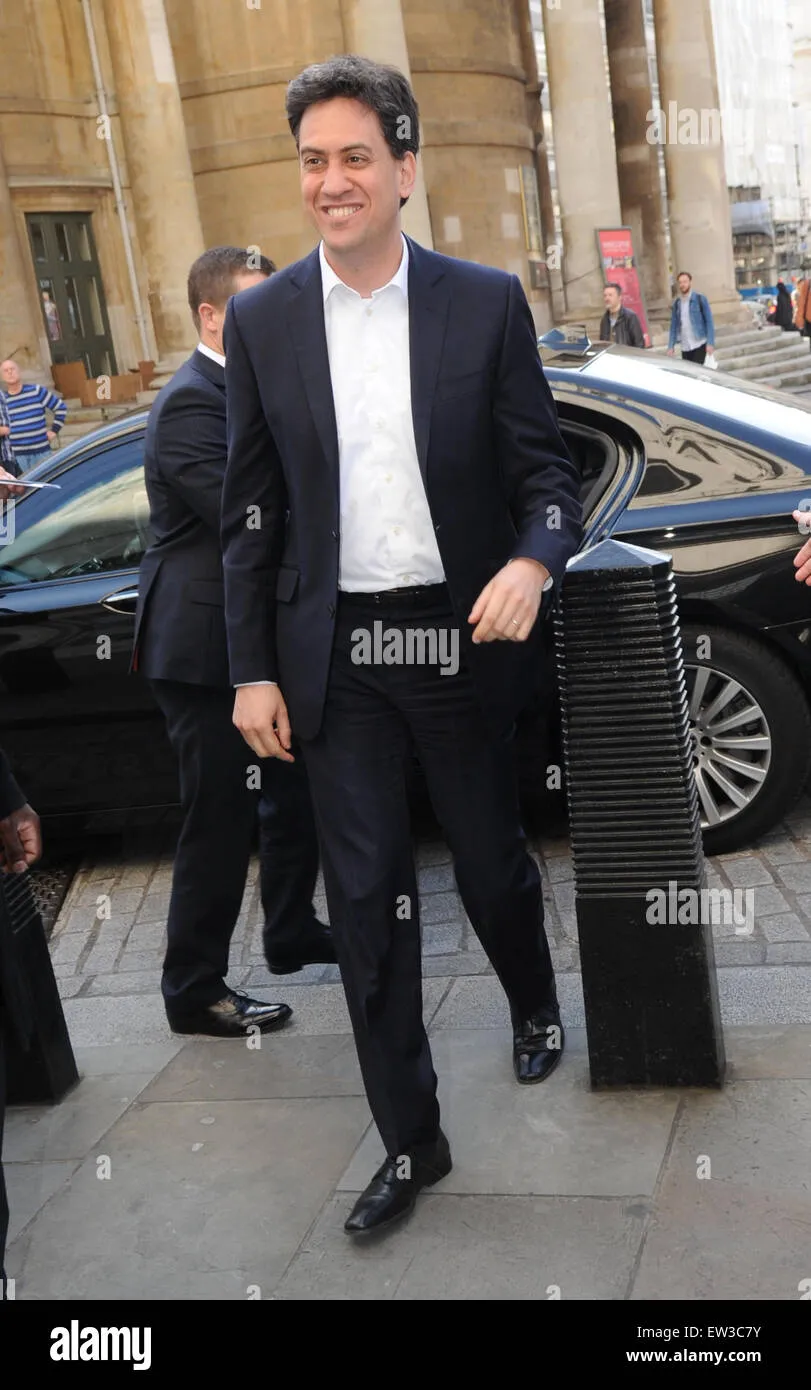

Ed Miliband’s opposition to US military action in Iran has sparked a significant Cabinet rebellion within the Labour Party on March 5, 2026. This internal strife highlights deep divisions over foreign policy as Miliband argues against British involvement in the conflict.
The immediate fallout from Miliband’s stance was palpable. During a National Security Council meeting, he articulated a pacifist argument, asserting, “We could not commit British military forces without a clear plan.” The Chancellor and Foreign Secretary supported his position, indicating a rare moment of solidarity among key figures in the party. Yet, Prime Minister Keir Starmer reversed course, permitting the US to use British bases for defensive operations.
This isn’t Miliband’s first foray into foreign policy dissent. He previously led the campaign against military intervention in Syria back in 2013. His consistent calls for caution reflect a broader concern about the implications of military actions that could exacerbate existing tensions, particularly as global energy crises loom.
Key facts:
- Miliband spearheaded Labour’s rebellion against US military action in Iran.
- BP reported first-quarter profits of £2.4 billion amid the Iran conflict.
- The UK is facing its biggest energy crisis ever.
Amidst these tensions, BP’s recent financial performance raises eyebrows. The company contributed £4.4 billion to the Treasury last year and threatened by Miliband’s proposed windfall tax on its profits—an indication of how intertwined energy policy and foreign affairs have become. If BP were to leave the UK market, it would signal that the country is closed for business.
Wes Streeting noted that past hesitations regarding military interventions created vacuums that adversaries exploit—an argument that resonates more than ever as geopolitical dynamics shift. Yet, this internal conflict within Labour poses questions about future party cohesion and strategy.
As reactions unfold, one thing remains clear: Miliband’s challenge isn’t just about Iran; it’s about redefining the Labour Party’s identity in an increasingly complex world.

Daniel Fairbrother is the Senior Football Correspondent at Latest News UK, covering the Premier League, the EFL and the England national side with over a decade of reporting experience. He spent eight years on the football desk of a Yorkshire daily before moving into national coverage. He holds a degree in Sports Journalism from the University of Sunderland and completed an NCTJ diploma. Based in Leeds, he watches non-league football and runs a five-a-side league. “The best football stories are won in the week, not on the whistle.”