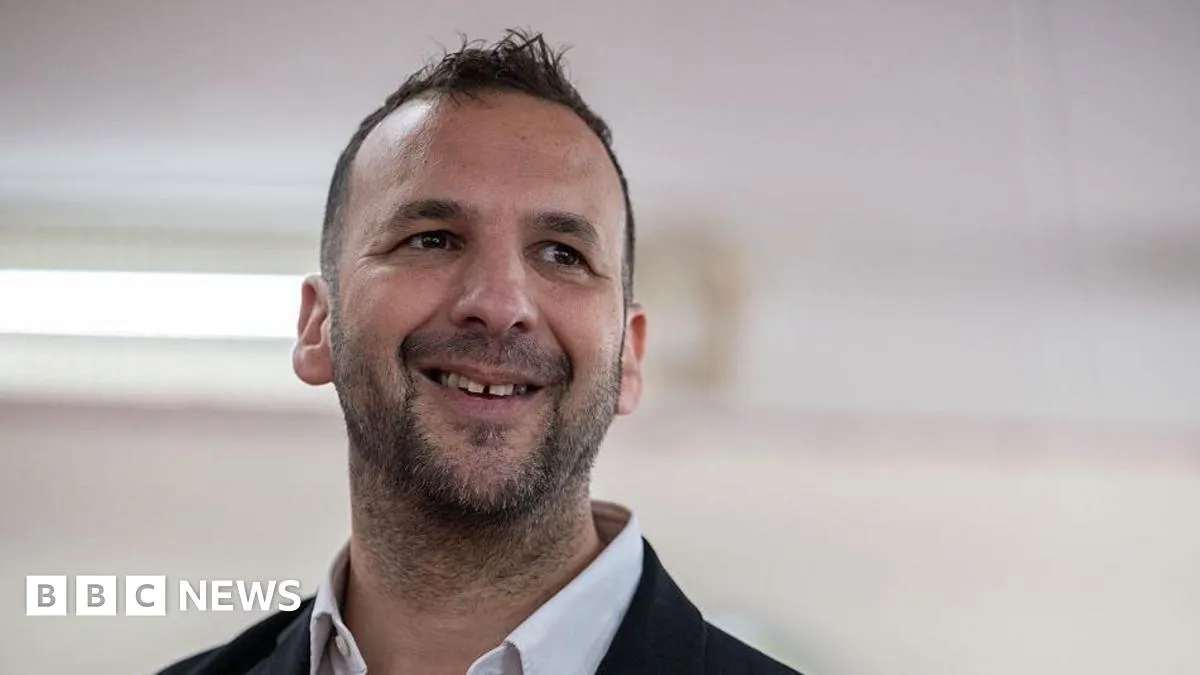

Zack Polanski’s remarks about the Metropolitan Police’s response to a terror-related arrest have stirred significant debate. On April 30, 2026, a 45-year-old man was arrested in connection with a stabbing incident involving two Jewish individuals in Golders Green, which authorities are treating as terrorism.
Polanski, the leader of the Green Party in Wales, took to social media to criticize the police’s handling of the situation. His comments prompted a swift backlash from law enforcement officials. Metropolitan Police Chief Mark Rowley labeled Polanski’s post as “inaccurate and misinformed commentary.” He argued that such statements could create a “chilling effect” on police efforts to ensure community safety.
The incident in Golders Green is particularly alarming for the local Jewish community, which has faced a series of targeted attacks recently. Rowley emphasized this fear, stating, “London’s Jewish communities are scared. They have experienced a series of targeted attacks on the community, and they expect our officers to act, protect them.” This underscores the delicate balance between police accountability and public safety.
In response to Polanski’s statements, the Green Party released a statement condemning antisemitic violence and expressing solidarity with the British Jewish community. They asserted that “Jewish people deserve safety and belonging wherever they live,” reflecting their commitment to combating hate crimes.
This controversy raises questions about the role of political leaders in critiquing law enforcement actions—especially in sensitive contexts like terrorism and community safety. Is it possible for leaders to voice concerns without undermining public trust in police? The tension between advocating for accountability and ensuring community protection is palpable.
As this situation unfolds, it remains unclear how Polanski’s comments will influence perceptions of both his leadership and the Green Party’s stance on issues affecting vulnerable communities. Will this lead to more robust discussions on policing practices or further division among political factions?

Daniel Fairbrother is the Senior Football Correspondent at Latest News UK, covering the Premier League, the EFL and the England national side with over a decade of reporting experience. He spent eight years on the football desk of a Yorkshire daily before moving into national coverage. He holds a degree in Sports Journalism from the University of Sunderland and completed an NCTJ diploma. Based in Leeds, he watches non-league football and runs a five-a-side league. “The best football stories are won in the week, not on the whistle.”