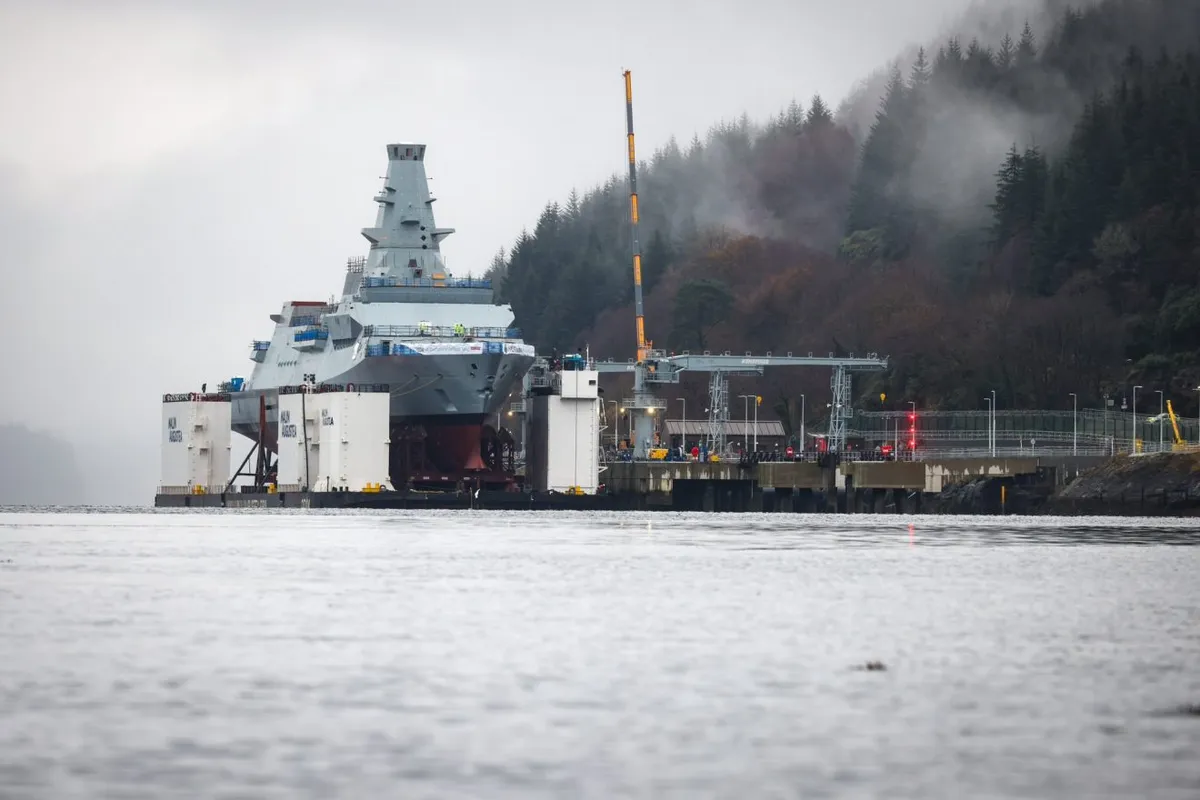

Norway’s formal entry into the Type 26 frigate programme marks a significant enhancement of NATO’s naval capabilities in the Atlantic. The Royal Norwegian Navy plans to acquire five Type 26 frigates, joining a coalition that includes the UK, Canada, and Australia.
This strategic move comes as Norway joins the Global Combat Ship User Group. Commodore Stephen Roberts emphasized, “Our strategic maritime security partnership with allies is further strengthened by Norway’s inclusion in the wider GCS enterprise alongside our Canadian and Australian partners.” Such collaborations are essential for addressing modern maritime threats.
In total, the Global Combat Ship initiative aims to deliver up to 34 warships across these four nations. The Type 26 frigates are primarily designed for anti-submarine warfare, reflecting a growing need for robust naval capabilities amidst rising global tensions.
Norway’s decision to enhance its naval fleet aligns with its commitment to NATO and regional security. It also means that Norway’s Type 26 frigates will operate alongside the Royal Navy’s eight vessels, which should foster greater interoperability among allied forces.
The first vessel for the Royal Canadian Navy, HMCS Fraser, was laid down about a year ago. This indicates that production is well underway and that these ships are expected to enter service later this decade, led by HMS Glasgow.
Yet, uncertainties linger. Officials have not confirmed whether all eight planned Type 26 frigates for the Royal Navy will be allocated due to potential budgetary issues. This could impact overall readiness and deployment timelines.
Norway’s inclusion in the User Group is a significant step toward deep allied integration—an objective outlined in the Lunna House Agreement signed in December 2025. This agreement underscores a collective commitment to bolster maritime security.
As nations like Norway invest in advanced naval technology, one must ponder: how will these developments reshape NATO’s operational strategies? The landscape of naval warfare is evolving rapidly.

Leo Ashworth is a Sports News Writer at Latest News UK. He cut his teeth on regional sport before specialising in fast breaking-news writing. He focuses on rugby union, golf and boxing and is known for clear, deadline-driven reporting. He holds a degree in Journalism from the University of Central Lancashire and completed an NCTJ diploma. Now based in Newcastle, he follows the European Tour and boxes at an amateur gym. “Get it right first, then tell readers why it matters.”