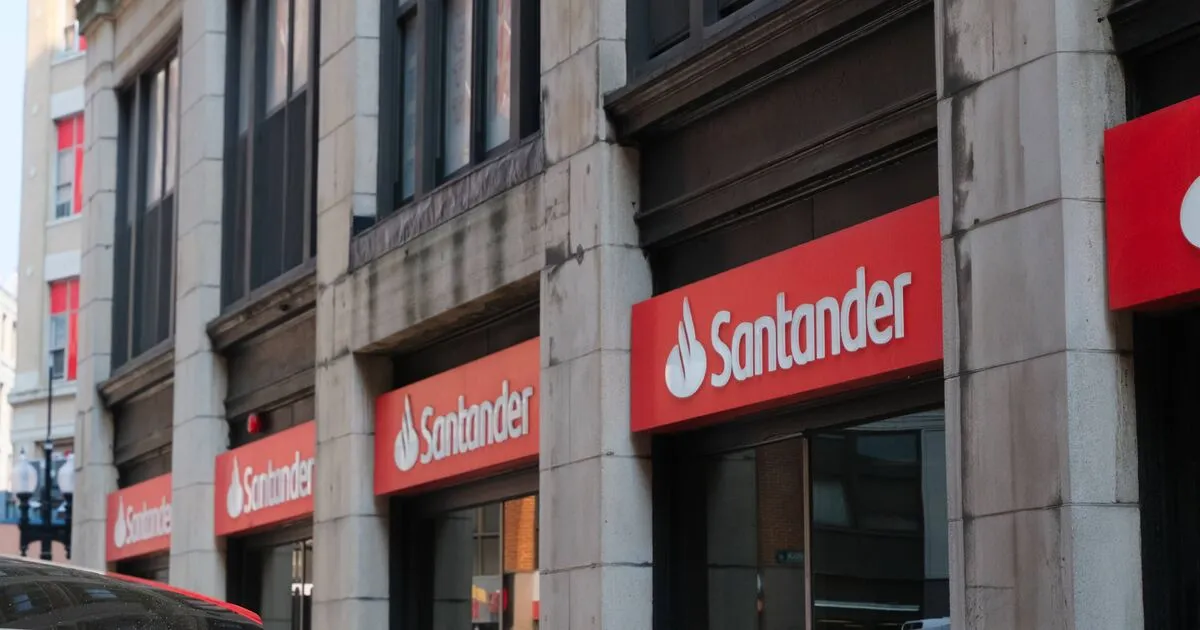

Santander UK is preparing to pay out compensation for approximately 12.1 million mis-sold deals, with each customer expected to receive an average of £829. This decision coincides with a staggering profit slump of 44% at the bank.
The backdrop to this financial upheaval is the ongoing motor finance scandal, which has forced Santander to set aside nearly £180 million for redress. The anticipated total bill for this saga could reach £633 million, a significant financial burden that reflects the bank’s struggles in a challenging economic environment.
In the first quarter, Santander reported pre-tax profits of just £202 million, down from £358 million a year earlier. This sharp decline raises questions about the bank’s future strategies—especially as it prepares to shut down another 44 branches, putting nearly 300 jobs at risk.
Mahesh Aditya, Santander’s Chief Executive, stated, “While we are not yet seeing any significant impact of the current uncertain global economic environment on our customers, we have put measures in place including a proactive outreach programme offering support…” This statement suggests that while the immediate financial outlook appears bleak, there are efforts underway to mitigate customer concerns.
As interest rates are expected to remain at 3.75% throughout this year before decreasing slightly by 2027, the broader implications for the UK economy remain uncertain. How will these compensation payouts affect consumer confidence? Will they lead to further scrutiny from financial watchdogs?
Moreover, Santander’s recent acquisition of TSB—valued at £2.65 billion—underscores its commitment to the UK market despite current challenges. Aditya emphasized that this acquisition represents the largest inward investment in the UK banking sector in over 15 years.
As Santander navigates these turbulent waters, it will be interesting to see how they balance their compensation obligations with their operational challenges moving forward. The completion of this payout process may provide insight into how effectively they can manage both customer expectations and their financial health.

Daniel Fairbrother is the Senior Football Correspondent at Latest News UK, covering the Premier League, the EFL and the England national side with over a decade of reporting experience. He spent eight years on the football desk of a Yorkshire daily before moving into national coverage. He holds a degree in Sports Journalism from the University of Sunderland and completed an NCTJ diploma. Based in Leeds, he watches non-league football and runs a five-a-side league. “The best football stories are won in the week, not on the whistle.”