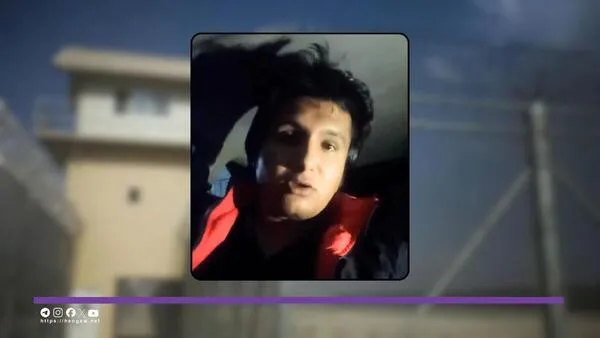

Dariush Rafiee Taghanki, a former political prisoner and member of the Qashqai Turk community, was arrested on April 30, 2026, after four months in hiding. His arrest came just days before Iran executed two men without notifying their families or lawyers.
Taghanki had been living in hiding since early January due to ongoing security pressure from Iranian authorities. His situation highlights the precarious nature of human rights in Iran, especially for individuals labeled as political prisoners.
On May 2, 2026, Iran executed Nasser Bakerzadeh and Yaghoub Karimpour. The circumstances surrounding these executions are troubling. Both men were transferred to solitary confinement just before their deaths. Bakerzadeh’s death sentence had been overturned twice by the Supreme Court, raising serious questions about the integrity of the Iranian judiciary.
Key facts about the executions:
- The executions occurred without prior notification to their lawyers or families.
- Bakerzadeh faced a death sentence that had been overturned twice.
- Karimpour endured severe pressure to produce forced confessions during his detention.
Karimpour described spending more than two months at the Ministry of Intelligence detention centre in Orumiyeh under inhumane conditions. He categorically denied transmitting any information to any person or institution.
Authorities have not disclosed any information regarding Taghanki’s arresting body or the specific charges against him. This lack of transparency is emblematic of broader concerns regarding human rights violations under the Iranian regime.
The international community has expressed alarm over these developments. Many fear that such actions signal a continued crackdown on dissent and political opposition within Iran.

As Latest News UK's Sports Reporter, Hannah Whitfield reports on tennis, cricket and athletics for readers across the country. She built her name covering the county circuit and Team GB at two Commonwealth Games. She holds a degree in Sport and Media from Loughborough University and completed an NCTJ diploma. Hannah lives in Bristol, where she plays club tennis and coaches a junior side. “Sport is at its best when you let the athletes tell the story.”