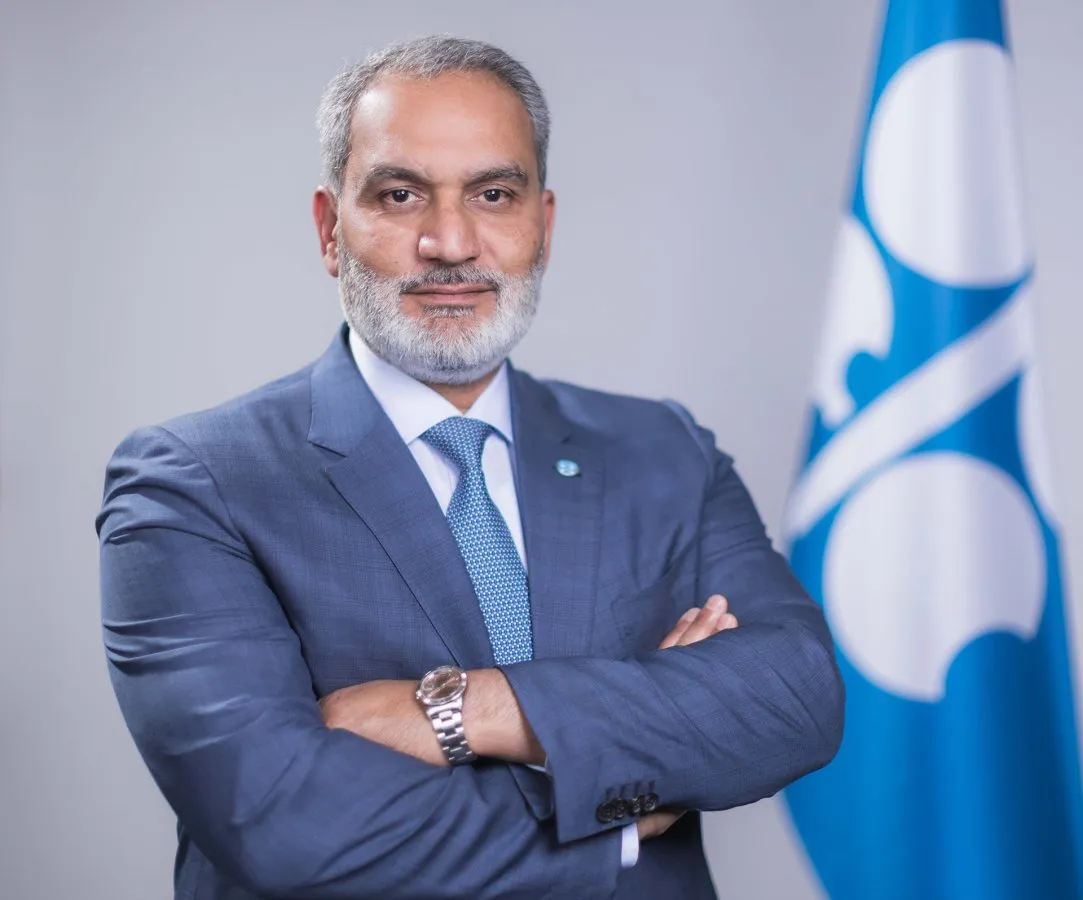

The UAE’s exit from OPEC on May 1, 2026, signals a profound shift in the global oil landscape. This decision reflects ongoing tensions, particularly influenced by the Iran war and the constraints of OPEC production quotas.
Before the Iran war, the UAE was producing about 3.4 million barrels per day (b/d) of crude oil and accounted for around 12% of total OPEC output. However, disruptions caused by the conflict have led to a significant decline in production. In March alone, OPEC saw a staggering 7.88 million barrels a day wiped out due to these disruptions.
Currently, the UAE has ramped up its production capacity to approximately 4.85 million b/d and aims to reach 5 million b/d by 2027. But frustration with OPEC’s production quotas has fueled its decision to leave. The UAE wants more freedom to influence its output without being tethered to collective agreements.
Key facts:
- The UAE plans to increase its production capacity to 5 million b/d by 2027.
- In 2024, UAE crude oil production averaged only 2.95 million b/d.
- This exit is expected to strengthen its relationship with the US.
Dr. Ebtesam Al-Ketbi noted that “the UAE is redefining its role from a producer within a bloc to a balancing producer that contributes to market stability through its ability to act.” This new approach could potentially reshape how oil markets operate, especially given the geopolitical landscape surrounding the Strait of Hormuz.
The decision comes after years of discussions behind closed doors about the UAE’s future within OPEC. Analysts suggest that this departure may further fracture relationships among remaining OPEC members and challenge their collective influence in the oil market.
As tensions rise within the Gulf Cooperation Council and amid ongoing conflicts like the Iran war, one must wonder—how will this shift affect regional alliances and global oil supply dynamics?

Leo Ashworth is a Sports News Writer at Latest News UK. He cut his teeth on regional sport before specialising in fast breaking-news writing. He focuses on rugby union, golf and boxing and is known for clear, deadline-driven reporting. He holds a degree in Journalism from the University of Central Lancashire and completed an NCTJ diploma. Now based in Newcastle, he follows the European Tour and boxes at an amateur gym. “Get it right first, then tell readers why it matters.”