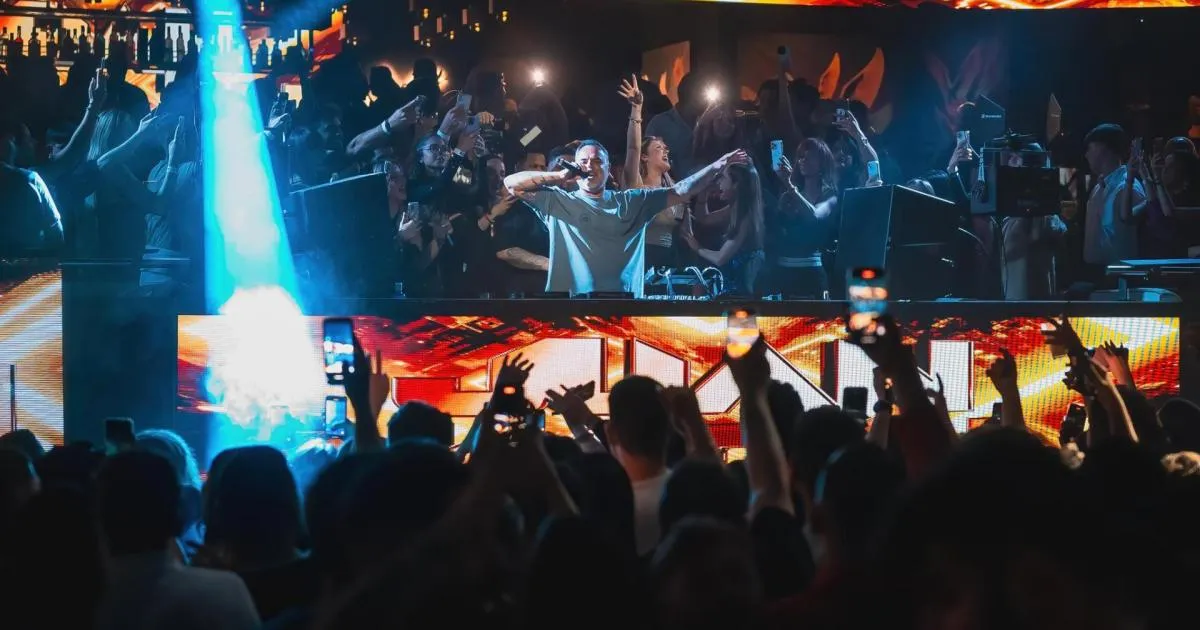

In 2026, Mallorca’s nightlife is bracing for a further revenue decline as local and tourist spending diminishes. Meanwhile, Liverpool has emerged as one of the safest cities for nightlife, despite persistent safety concerns among women and the LGBT+ community.
Historically, Mallorca enjoyed a vibrant nightlife scene, drawing tourists from all over Europe. Clubs buzzed with energy, and local establishments thrived on the influx of visitors eager to experience the island’s nightlife. But that was then. Now, Miguel Pérez-Marsá from the CAEB Restaurants Association notes, “We were already coming off a slow year, and now the forecast is for even lower attendance and, consequently, lower revenue.” This paints a stark picture of a sector struggling to adapt.
In contrast, Liverpool has managed to cultivate a reputation for safety in its night-time economy. Statistics show that 60% of people reported feeling safe walking around Liverpool city centre after 10pm. This sense of security isn’t just good luck; it stems from years of effort. Liverpool has held Purple Flag accreditation for sixteen consecutive years—an indicator of a well-managed night-time economy.
However, not all is perfect in Liverpool. Despite this overall sense of safety, troubling statistics persist: 75% of individuals in the LGBT+ community feel at risk of harassment on a night out. Additionally, 71% of women surveyed expressed fears about sexual assault during their evenings out. These numbers reveal an underlying tension between perceived safety and actual experiences.
The local government and organizations like Ask for Clive and Pubwatch are taking steps to address these issues. The night-time safety charter aims to deliver more training to bar staff to help prevent harassment—an initiative already backed by over 125 businesses in Liverpool. Clive Duffey emphasizes that it’s about creating a culture of safety: “Our sticker is placed at the front door of venues to recognise them as an inclusive hate-free space…”
Yet, despite these initiatives, some voices remain skeptical about the effectiveness of current measures. Joe Maguire from the Liverpool BID company acknowledges that improvements can always be made: “Some venues do enough but some don’t.” This admission highlights an ongoing challenge within the city’s nightlife scene.
Mallorca’s clubs are responding to their economic woes by shortening opening hours and focusing on weekends only. This shift reflects a desperate attempt to contain operating costs amid dwindling revenues. As both cities navigate their unique challenges—one striving for economic recovery while the other battles perceptions of safety—the future remains uncertain.
What will it take for Mallorca to revive its nightlife? And can Liverpool truly reconcile its reputation for safety with the genuine fears expressed by vulnerable communities?

Daniel Fairbrother is the Senior Football Correspondent at Latest News UK, covering the Premier League, the EFL and the England national side with over a decade of reporting experience. He spent eight years on the football desk of a Yorkshire daily before moving into national coverage. He holds a degree in Sports Journalism from the University of Sunderland and completed an NCTJ diploma. Based in Leeds, he watches non-league football and runs a five-a-side league. “The best football stories are won in the week, not on the whistle.”