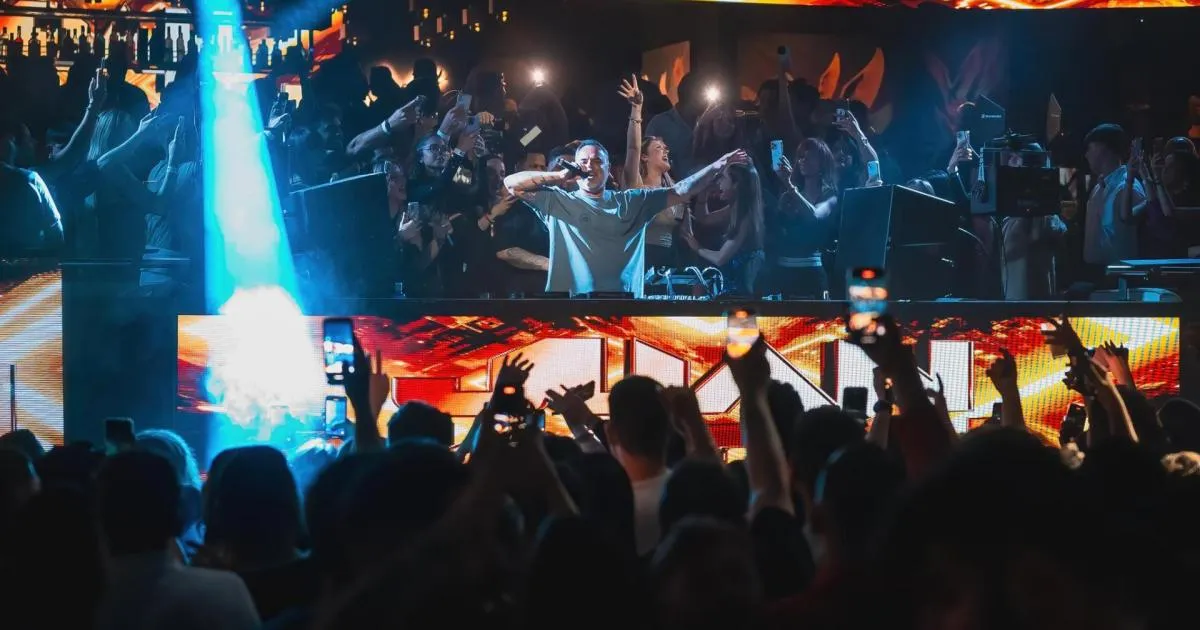

As 2026 approaches, Mallorca’s nightlife sector braces for further revenue decline due to dwindling local and tourist spending. In contrast, Liverpool emerges as a beacon of safety for nightlife enthusiasts, despite ongoing concerns from women and the LGBT+ community.
Just a few years ago, Mallorca was a thriving hub of nightlife activity. The island boasted packed clubs and vibrant streets filled with tourists eager to experience its famed parties. However, recent reports indicate that the situation has shifted dramatically. Miguel Pérez-Marsá from the CAEB Restaurants Association noted, “We were already coming off a slow year, and now the forecast is for even lower attendance and, consequently, lower revenue.” Clubs in Mallorca are now shortening opening hours to manage costs and focus on weekend business.
Meanwhile, Liverpool paints a different picture. Despite historical safety concerns—particularly for women and the LGBT+ community—recent statistics reveal that 60% of people feel safe walking around the city center after 10pm. This perception of safety has been bolstered by Liverpool’s consistent recognition as a safe place for nightlife; it has held Purple Flag accreditation for sixteen consecutive years. Joe Maguire from the Liverpool BID company asserts, “I firmly believe Liverpool is one of the safest nights out anyone can have.” This accolade speaks volumes about the city’s commitment to enhancing its night-time economy.
However, it’s crucial to note that not all voices echo this sentiment. A staggering 75% of individuals in the LGBT+ community report feeling at risk of harassment during nights out, while 71% of women surveyed express fears of sexual assault. These statistics highlight an ongoing challenge for local authorities and businesses alike.
In response to these concerns, Liverpool has implemented a night-time safety charter aimed at improving conditions across various venues. Over 125 businesses have signed this charter, committing to enhanced training for bar staff to prevent harassment and ensure a safer environment for all patrons. Clive Duffey from Ask for Clive emphasizes the importance of creating inclusive spaces: “Our sticker is placed at the front door of venues to recognise them as an inclusive hate-free space… it’s about venues creating a culture of safety.”
The contrast between Mallorca and Liverpool’s nightlife scenes raises important questions about what factors contribute to thriving night-time economies. While Mallorca grapples with declining tourist spending, Liverpool appears to be fostering an environment where people feel increasingly secure enjoying their nights out. But can this trend continue in Liverpool amidst persistent safety concerns? Or will these issues eventually overshadow its reputation?

Leo Ashworth is a Sports News Writer at Latest News UK. He cut his teeth on regional sport before specialising in fast breaking-news writing. He focuses on rugby union, golf and boxing and is known for clear, deadline-driven reporting. He holds a degree in Journalism from the University of Central Lancashire and completed an NCTJ diploma. Now based in Newcastle, he follows the European Tour and boxes at an amateur gym. “Get it right first, then tell readers why it matters.”