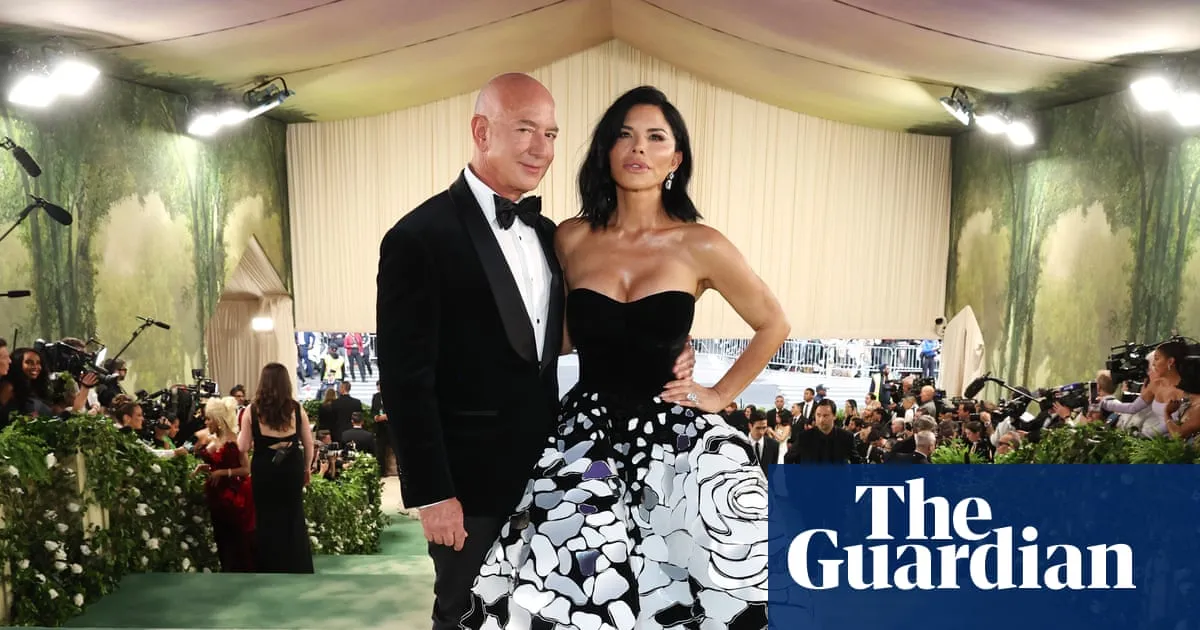

The upcoming 2026 Met Gala on May 1 in New York is stirring up debate. Traditionally a charity event for the Costume Institute, its integrity is now questioned due to the involvement of tech billionaires like Jeff Bezos.
As the gala approaches, the spotlight is on its theme: ‘Costume Art,’ and the dress code ‘Fashion is Art.’ This year, Jeff Bezos and Lauren Sánchez Bezos serve as honorary chairs, a role that has raised eyebrows. Critics argue that their presence shifts focus from philanthropy to celebrity culture.
Historically, the Met Gala has been an exclusive affair. Established in 1948, it began as a high-society event aimed at fundraising for the Costume Institute of The Metropolitan Museum of Art. Anna Wintour has chaired the event since 1995, transforming it into a spectacle of celebrity fashion.
Current expectations indicate around 450 guests will attend, with tickets priced at approximately $100,000. The event typically garners about 1 billion global video views on Vogue’s site alone—a staggering figure that reflects its cultural impact.
This year’s exhibition will showcase about 200 sculptures and artworks, paired with an equal number of garments and accessories. The focus this time is on bodies marginalized in fashion and Western culture—a theme that resonates deeply amid ongoing discussions about representation.
Yet, not all are on board with the gala’s direction. Zohran Mamdani, New York’s mayor, has announced he will skip the event—breaking a decades-long tradition. His absence speaks volumes about the shifting sentiments surrounding this once-esteemed gathering.
The criticism directed at tech figures like Bezos underscores a larger tension within celebrity culture. A spokesperson for Everyone Hates Elon remarked, “I love celebrity culture and fashion as much as anyone, but [Bezos’s involvement] makes Vogue seem irrelevant.” This sentiment echoes among those who feel that wealth should not overshadow philanthropy.
As we approach the gala date, questions linger about its future. Will it remain a platform for genuine charitable efforts or become merely another showcase for elite excess? The clash between art and commerce continues to unfold in fascinating ways.

Daniel Fairbrother is the Senior Football Correspondent at Latest News UK, covering the Premier League, the EFL and the England national side with over a decade of reporting experience. He spent eight years on the football desk of a Yorkshire daily before moving into national coverage. He holds a degree in Sports Journalism from the University of Sunderland and completed an NCTJ diploma. Based in Leeds, he watches non-league football and runs a five-a-side league. “The best football stories are won in the week, not on the whistle.”