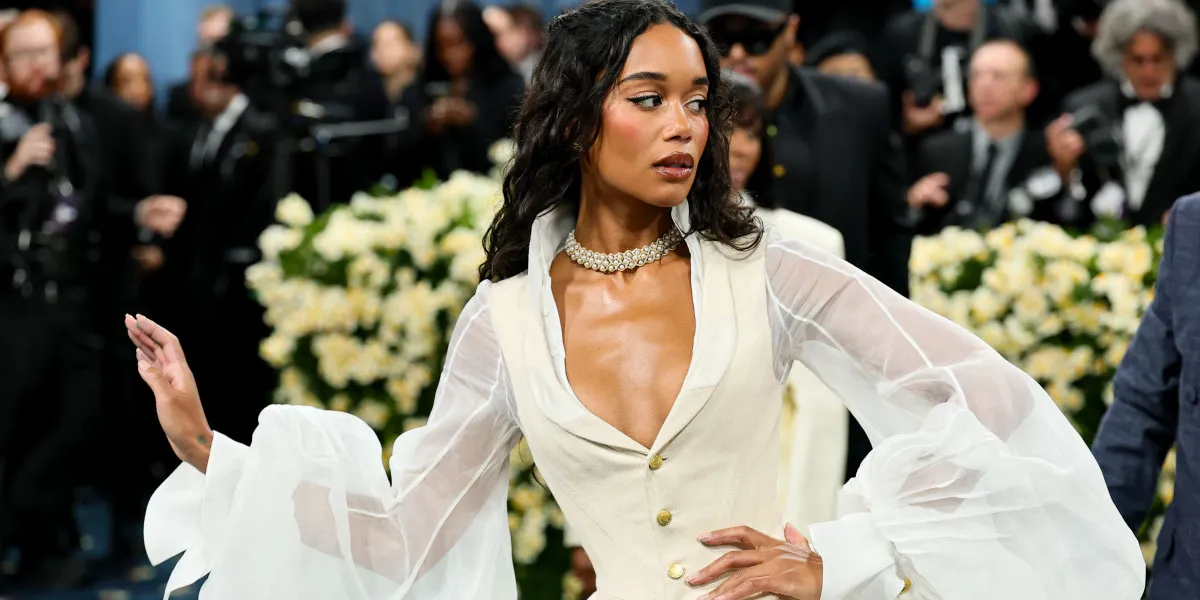

The 2026 Met Gala theme, ‘Costume Art’, emphasizes the significance of the dressed body in art history. Set to take place on May 4, 2026, at the Metropolitan Museum of Art in New York City, this year’s theme marks a shift in how we perceive fashion’s role within the art world.
Previously, themes often included subtitles that provided additional context or direction. This year, however, Andrew Bolton has chosen to present a theme without a subtitle for the first time. This decision suggests a desire for more expansive interpretations of what costume can mean in relation to art.
Key details about the event:
- The dress code is set as ‘Fashion Is Art.’
- The exhibition will span nearly 12,000 square feet within the Condé M. Nast Galleries.
- It will showcase paintings, sculptures, and garments that represent over 5,000 years of artistic expression.
This shift could have significant implications for designers and attendees alike. The red carpet will likely transform into a canvas where fashion and art collide—each outfit telling a story that transcends mere aesthetics.
Andrew Bolton stated, “What connects every curatorial department and what connects every single gallery in the museum is fashion, or the dressed body.” This perspective invites us to reconsider how we engage with both fashion and art.
As anticipation grows around this year’s gala, one can’t help but wonder how attendees will interpret this theme. Will they embrace it as an opportunity for self-expression or adhere strictly to artistic conventions? The hand-painted carpet designed to resemble a stone garden pathway adds an intriguing layer—an invitation to explore nature’s influence on creativity.
Ultimately, the 2026 Met Gala promises not just an exhibition but a celebration of the intersection between costume and fine art. It raises questions about identity and expression within a historical context. How will this new approach reshape our understanding of both disciplines?

Leo Ashworth is a Sports News Writer at Latest News UK. He cut his teeth on regional sport before specialising in fast breaking-news writing. He focuses on rugby union, golf and boxing and is known for clear, deadline-driven reporting. He holds a degree in Journalism from the University of Central Lancashire and completed an NCTJ diploma. Now based in Newcastle, he follows the European Tour and boxes at an amateur gym. “Get it right first, then tell readers why it matters.”