
Imagine running a small business and suddenly being forced to comply with a tax initiative that seems designed for larger operations. That’s the reality for some sole traders in the UK today. Making Tax Digital (MTD) is reshaping how tax reporting works, pushing everything online and demanding real-time reporting. But is it really making things easier?
Take Garry Piccolo, for instance. He earns just £3,680 from rental income. Yet, he finds himself tangled in MTD regulations because his total income exceeds £52,000. It’s absurd—he’s expected to navigate digital tax reporting even though his rental earnings are far below the threshold.
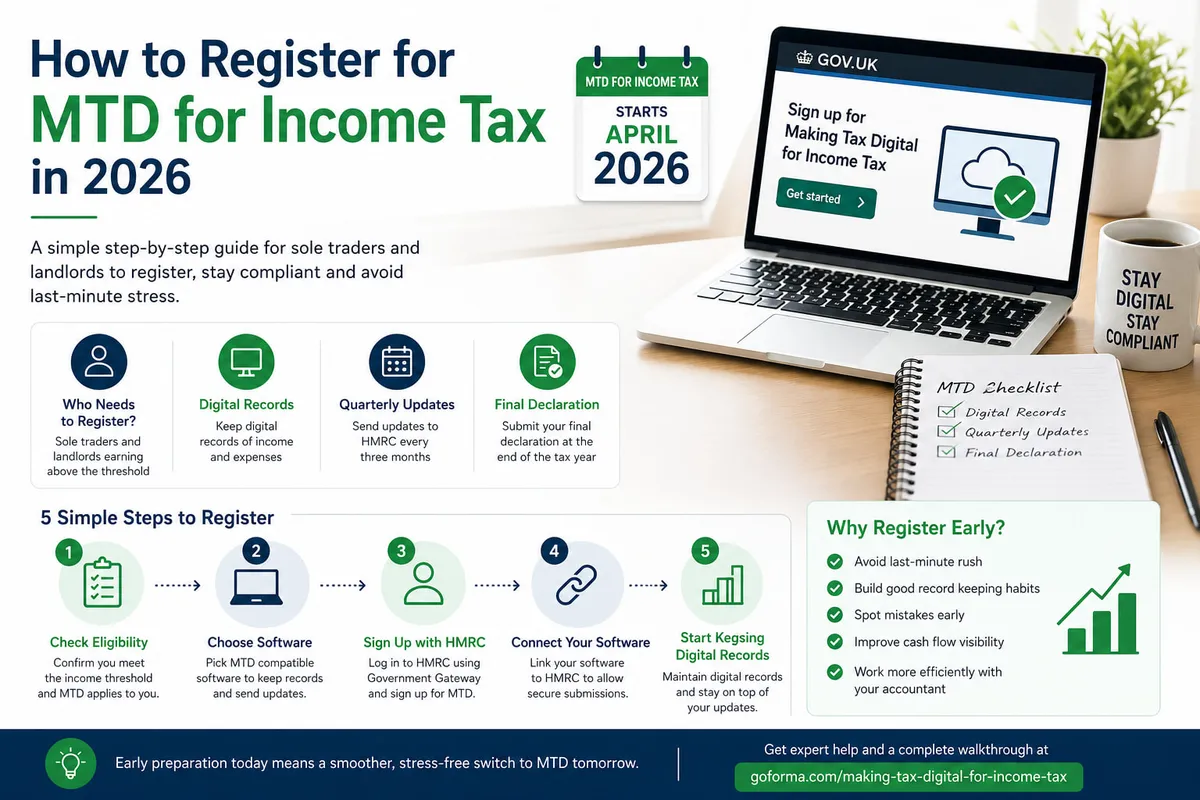
From April 2026, MTD will apply to individuals earning over £50,000, and by 2027, it will drop to £30,000. For many self-employed individuals, this means a new layer of complexity in their already challenging lives.
Garry’s situation highlights a key issue: HMRC’s approach lacks flexibility. As Michelle Denny-West points out, “Liability is decided by income levels in 2024-25…subsequent changes in circumstances count for nothing.” So if your income fluctuates—even temporarily—you’re still on the hook.
The government claims this move simplifies things for the self-employed. Yet Garry argues otherwise: “Everything you do brings another cost.” He faces accountancy fees upwards of £2,500 just to stay compliant.
It’s not just about costs; it’s about the burden of compliance itself. Individuals must register for MTD if they’re already on Self Assessment and have income above the threshold. This includes setting up a Government Gateway account and finding compatible software—tasks that can overwhelm those without a financial background.
This rigidity can deter people from pursuing their entrepreneurial dreams. The pressure to comply with MTD could push some small business owners into a corner where they feel they can’t afford to operate anymore.
Accountancy firms are feeling the strain too. Richard Creedon notes that while there’s plenty of technology available, it’s often disconnected—making it harder to manage client portfolios efficiently.
What does this mean for the future? As MTD rolls out more broadly, we might see an increase in frustration among small business owners who feel caught between regulations and their financial realities. It raises an important question: Are we truly making tax compliance easier or merely complicating it further?

Emily Radcliffe is a Bristol-based reporter for Latest News covering education, health and community affairs across the United Kingdom. She focuses on the stories that affect everyday families, with clear and carefully checked reporting.