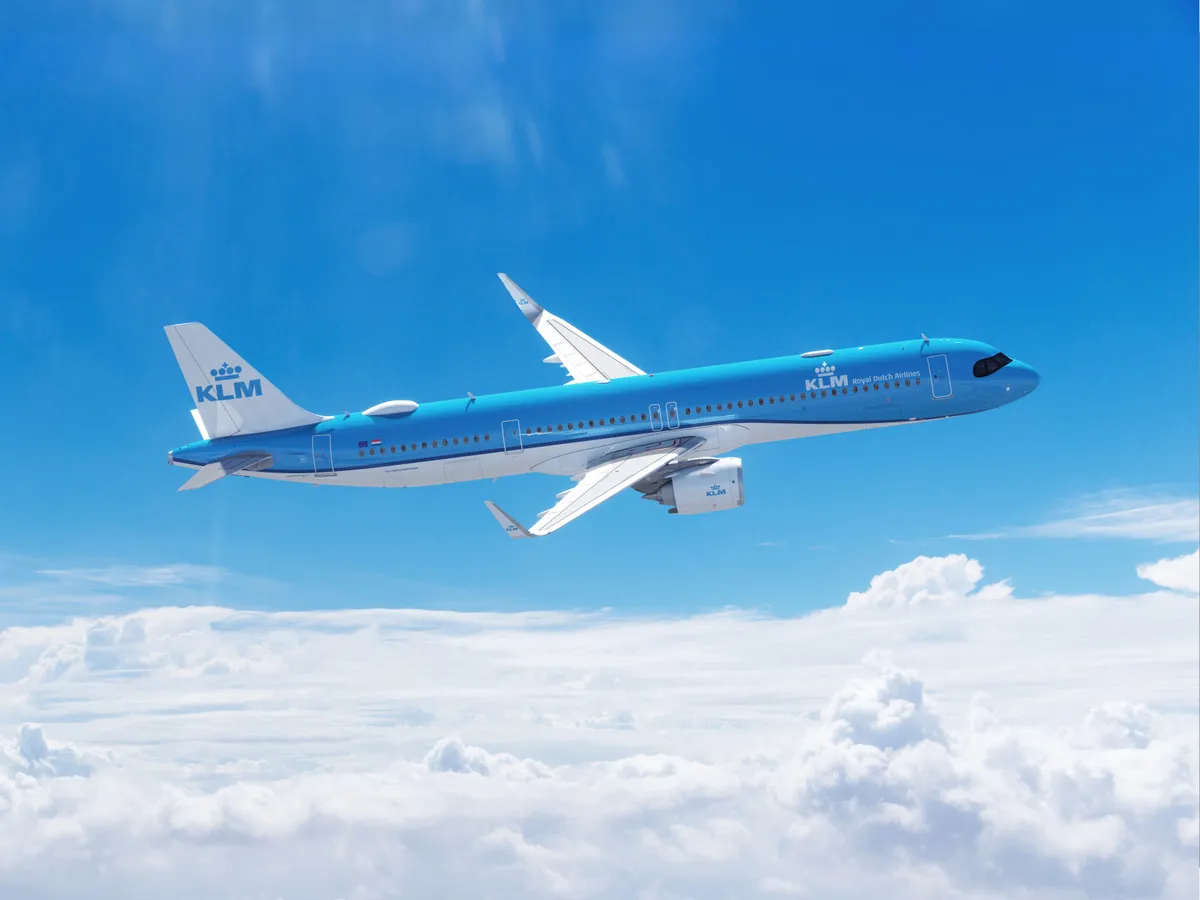

Air France-KLM has cut its capacity growth forecast for 2026 to between 2% and 4%, down from the previous range of 3% to 5%. This reduction comes in response to a projected $2.4 billion increase in fuel costs, largely driven by ongoing geopolitical tensions, particularly related to the Iran war.
The airline’s total fuel bill for 2026 is expected to reach $9.3 billion, a significant jump from the previous year. Such steep increases in fuel prices are not just numbers on a balance sheet; they reflect deeper issues within the airline industry, where cost control becomes increasingly critical.
In the first quarter of 2026, Air France-KLM reported an operating loss of €27 million. While this was better than the €389 million loss analysts had projected, it still highlights the fragility of the current situation. KLM’s Back on Track improvement program managed to contribute €159 million in savings during this period, but those efforts may not be enough.
KLM CEO Marjan Rintel acknowledged that “ongoing geopolitical uncertainty and sharply increased fuel prices will pressure results from the second quarter.” This statement underscores a harsh reality: airlines cannot fully pass on high fuel prices to customers, which directly impacts profitability.
Fuel prices have surged recently, with Brent crude hitting a four-year high of $126 per barrel, largely due to concerns about potential blockages in key shipping routes like the Strait of Hormuz. Such volatility complicates planning and forecasting for airlines.
Ben Smith, CEO of Air France-KLM, described the operating environment as “uncertain,” which is perhaps an understatement given the challenges ahead. How will airlines navigate these turbulent waters? The next steps remain unclear as they grapple with rising costs and fluctuating demand.

Daniel Fairbrother is the Senior Football Correspondent at Latest News UK, covering the Premier League, the EFL and the England national side with over a decade of reporting experience. He spent eight years on the football desk of a Yorkshire daily before moving into national coverage. He holds a degree in Sports Journalism from the University of Sunderland and completed an NCTJ diploma. Based in Leeds, he watches non-league football and runs a five-a-side league. “The best football stories are won in the week, not on the whistle.”