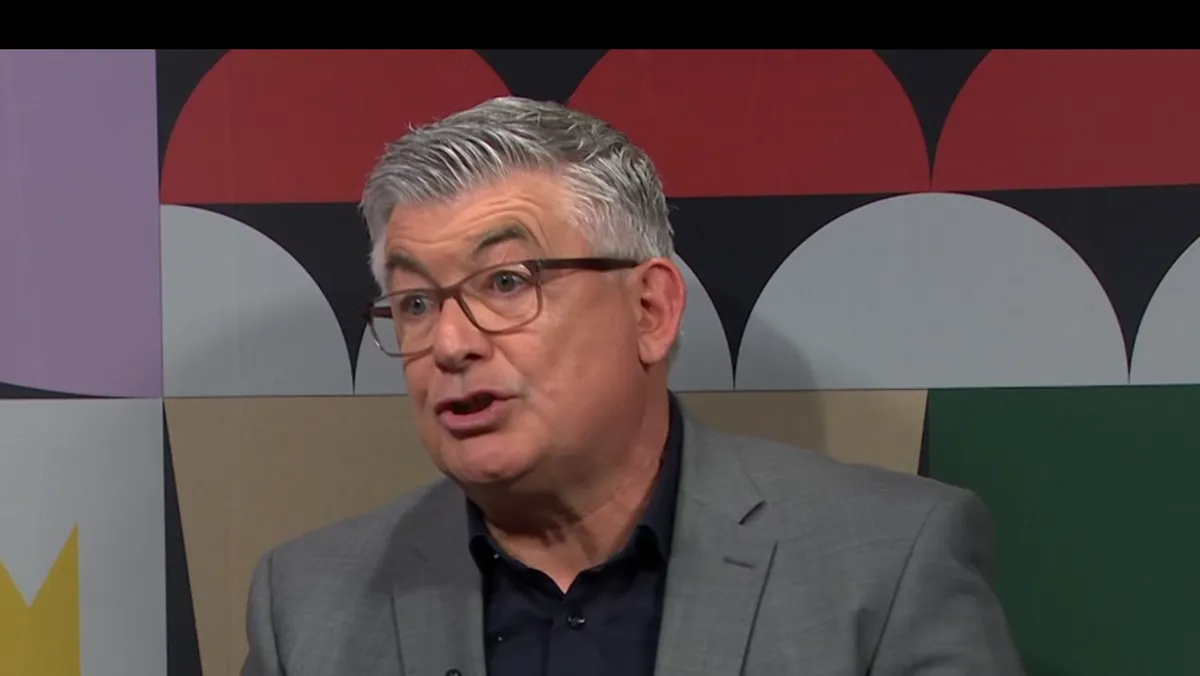

In a dramatic moment at the World Snooker Championship semi-final on April 30, 2026, John Parrott and Stephen Hendry engaged in a live disagreement about player fatigue. The match, held at the iconic Crucible Theatre, featured John Higgins and Shaun Murphy, who were tied at 4-4 after the first session.
The tension escalated as Parrott suggested that both players were suffering from fatigue due to their demanding schedules. He pointed out that Higgins had only 14 hours of recovery time between matches. In his view, a good night’s sleep would be crucial for improving their performance. “Do you know the best thing for this match? A good night’s sleep. I am telling you now, this will be the best thing – they will come back tomorrow far better,” Parrott asserted.
Hendry, however, took a different stance. He expressed disbelief that Shaun Murphy could be feeling fatigued or hungover. “I don’t understand it. How can you not come out and be buzzing? I certainly don’t subscribe to Shaun Murphy having a hangover, not at all,” he countered. This exchange highlighted their conflicting perspectives on how players cope with high-pressure situations.
The match itself was a critical one in the tournament, showcasing the intense competition that defines the World Snooker Championship. With both players missing shots—something Parrott attributed to fatigue—the stakes were undeniably high. Higgins had made an impressive break of 50 in the final frame of the session but still faced challenges against Murphy.
This clash of opinions between two snooker legends raises larger questions about performance under pressure. Can players truly perform at their peak without adequate rest? Or is it simply part of the game to push through fatigue? The discussion reflects broader themes in sports psychology and athlete management.
The BBC’s coverage captured this debate vividly, drawing in viewers who are as invested in the personalities of these players as they are in the outcome of the matches themselves. As fans and analysts dissect this moment, it’s clear that such disagreements can spark deeper discussions about what it takes to excel in competitive environments.
As reactions continue to pour in from fans and pundits alike, one wonders whether this disagreement will influence how commentators address player health in future broadcasts. Will we see a shift towards more empathetic coverage that considers athlete well-being?

Leo Ashworth is a Sports News Writer at Latest News UK. He cut his teeth on regional sport before specialising in fast breaking-news writing. He focuses on rugby union, golf and boxing and is known for clear, deadline-driven reporting. He holds a degree in Journalism from the University of Central Lancashire and completed an NCTJ diploma. Now based in Newcastle, he follows the European Tour and boxes at an amateur gym. “Get it right first, then tell readers why it matters.”