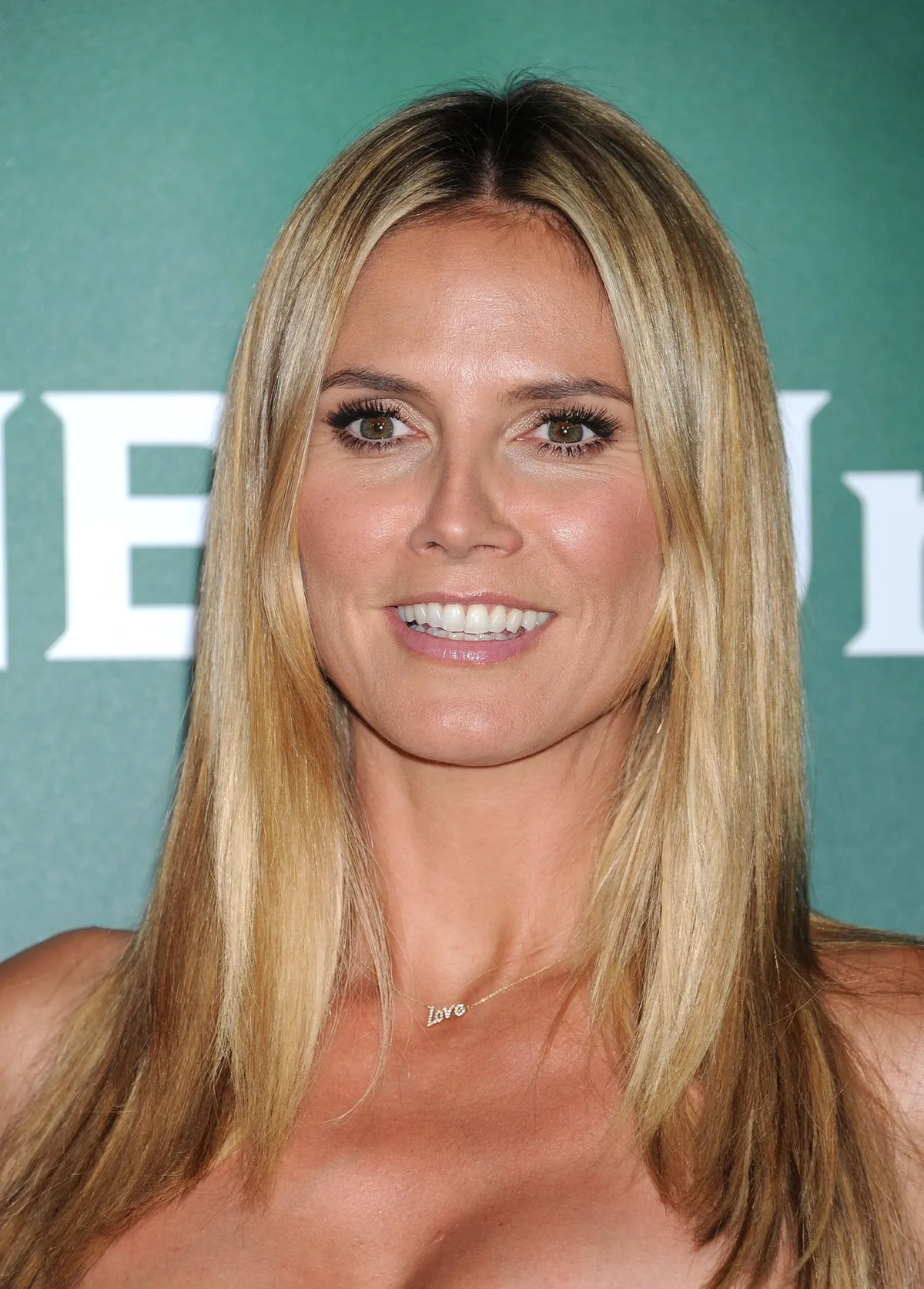

Heidi Klum transformed herself into a living marble statue at the 2026 Met Gala, stunning attendees and sparking divided opinions on social media. The event took place at the Metropolitan Museum of Art in New York City on May 2, 2026. Klum’s outfit drew inspiration from the Veiled Vestal sculpture, a piece commissioned by Raffaelle Monti in 1846.
Before this bold move, there was an expectation that celebrities would stick to more traditional interpretations of fashion themes. However, Klum’s choice marked a decisive shift in how attendees approached the theme of “Costume Art” with its dress code of “Fashion Is Art.” Her look featured gray materials that created a formfitting silhouette with illusion elements.
The immediate reactions were mixed. Some praised her for embodying the theme flawlessly while others wondered if such an extreme interpretation was appropriate for the gala. Social media lit up with contrasting opinions — some commenters exclaimed, “That is soooooooo coool,” while others quipped, “This isn’t Halloween, honey.”
Klum’s transformation included gray contacts and painted hands, face, and teeth, making her appear almost lifelike as a statue. This stark contrast to her simpler black gown from the previous year’s gala highlighted her adventurous spirit in fashion.
Experts in costume design noted that Klum’s outfit not only pushed boundaries but also sparked discussions about what constitutes art in fashion. As one expert mentioned, “She’s the one who got the theme right.” It raises questions about how far one can go in expressing artistic vision through clothing.
The Met Gala has long served as a platform for avant-garde fashion statements. Yet this year felt particularly significant due to Klum’s daring choice. It forces us to consider: when does fashion transcend into art?

Leo Ashworth is a Sports News Writer at Latest News UK. He cut his teeth on regional sport before specialising in fast breaking-news writing. He focuses on rugby union, golf and boxing and is known for clear, deadline-driven reporting. He holds a degree in Journalism from the University of Central Lancashire and completed an NCTJ diploma. Now based in Newcastle, he follows the European Tour and boxes at an amateur gym. “Get it right first, then tell readers why it matters.”