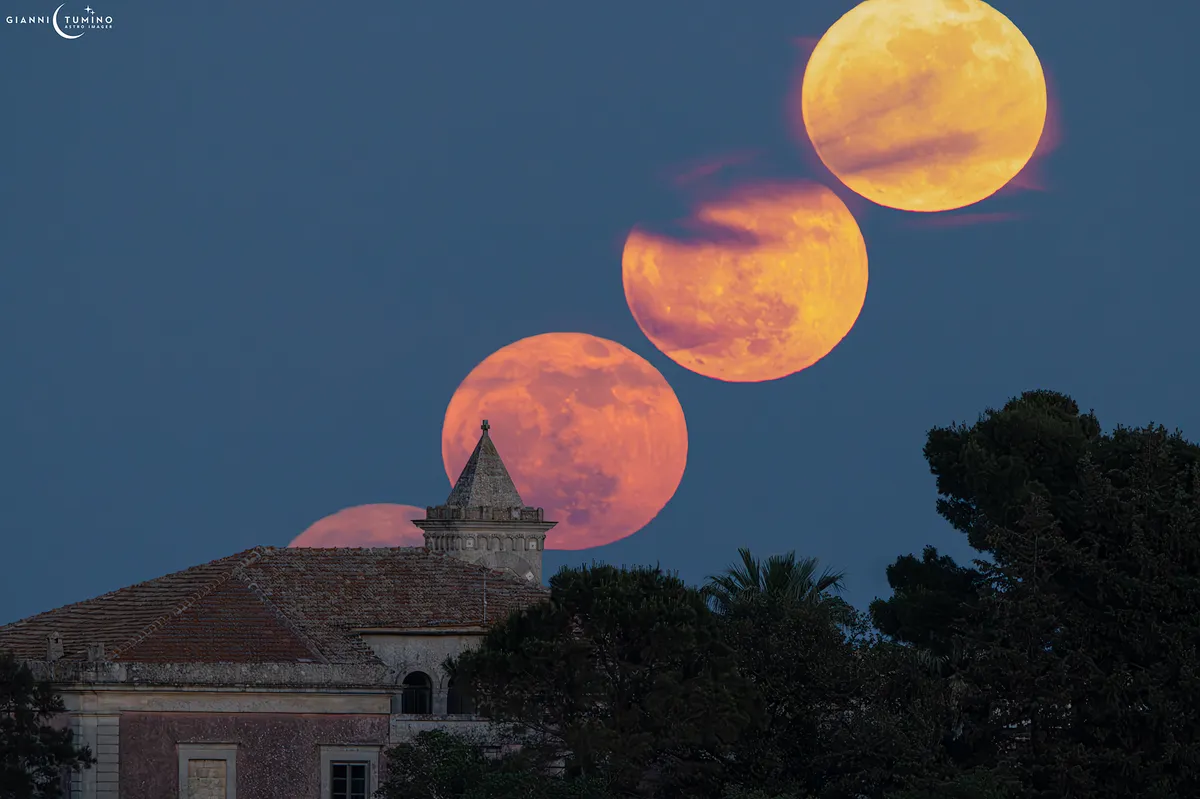

The Flower Moon will rise on May 1, 2026, and this year, it brings something special. Not only will it be known for its beautiful illumination, but it will also be classified as a micromoon. This means it will appear slightly smaller than usual due to its position at apogee—farthest from Earth. The excitement doesn’t stop there; this lunar event coincides with a Blue Moon on May 31, creating a rare double lunar spectacle that enthusiasts won’t want to miss.
Historically, the Flower Moon is named for the blooming flowers of spring. It has also been referred to as the Planting Moon or Milk Moon. As spring unfolds in the UK, many look forward to this celestial display marking the season’s transition.
Key details about the Flower Moon:
- The Flower Moon will reach peak illumination at 1:24 p.m. EDT on May 1, 2026.
- It will be most visible from around 6:23 p.m. local time.
- In London, moonrise is expected at 8:46 p.m. BST.
- This year’s Flower Moon is not a supermoon; rather, it will be slightly smaller and dimmer than average.
- It can be seen low in the sky before midnight approaches.
Skywatchers are advised to keep an eye out for the best views during moonrise at dusk—the most impressive sight often occurs when the full moon first clears the horizon. Observers are eagerly anticipating this unique combination of celestial events and how they might enhance their experience of skywatching.
Following the Flower Moon, the next full moon will be the Blue Moon on May 31, which peaks at 9:45 a.m. This means that May will feature two full moons—a phenomenon that happens roughly every two to three years. With thirteen full moons expected in total for the year, this month stands out as particularly significant.
The upcoming lunar events remind us of our connection to nature and the universe. They offer moments of reflection and beauty amidst our busy lives. As we prepare for these celestial wonders, what do you think your experience of skywatching will bring?

Leo Ashworth is a Sports News Writer at Latest News UK. He cut his teeth on regional sport before specialising in fast breaking-news writing. He focuses on rugby union, golf and boxing and is known for clear, deadline-driven reporting. He holds a degree in Journalism from the University of Central Lancashire and completed an NCTJ diploma. Now based in Newcastle, he follows the European Tour and boxes at an amateur gym. “Get it right first, then tell readers why it matters.”