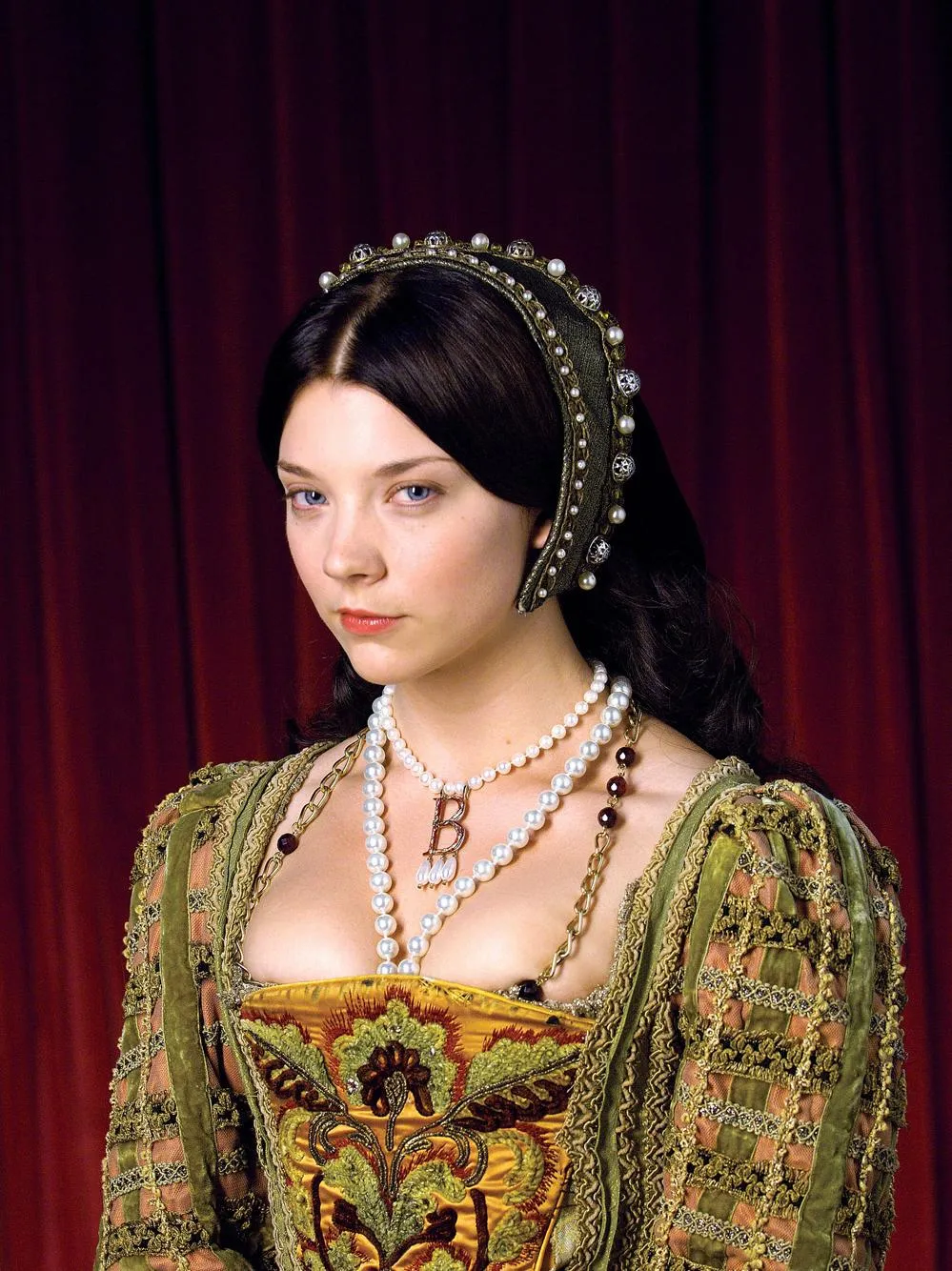

A team of scientists claims to have uncovered the real face of Anne Boleyn using facial recognition technology, sparking intense debate among historians. This revelation comes from researchers at the University of Bradford who analyzed Tudor portraits and believe they’ve identified a previously-unknown sketch of Boleyn.
Anne Boleyn, famously married to Henry VIII, was executed in 1536 on charges that included adultery and treason. Interestingly, no painting from her lifetime exists, making this research particularly controversial. The study used an algorithm that compared sketches with portraits of her daughter, Elizabeth I, and her cousins.
Karen Davies, the lead author, expressed her astonishment: “The result has shocked us completely.” Yet not everyone is convinced. Art historian Dr. Bendor Grosvenor dismissed the findings as “a load of old phooey,” questioning the validity of applying modern technology to historical artworks.
The algorithm utilized in this study rated facial similarity through a method called “percentage clustering.” However, there are significant uncertainties surrounding this research. For instance, some experts argue that the identified sketch might actually depict Boleyn’s mother, Elizabeth née Howard.
Moreover, there’s ongoing speculation about whether certain images of Boleyn may have been deliberately destroyed over time—a notion that adds another layer of complexity to her already tragic story. Dr. Charlotte Bolland remarked on the emotional weight of Boleyn’s life: “The incredible emotional tragedy of her life is this story that people want to revisit.”
The debate continues over whether technology can accurately analyze historical art forms—an issue that raises questions about the intersection of modern science and historical research. As this discussion unfolds, scholars will likely scrutinize both the methodology and implications of these findings.
Ultimately, whether this newly identified sketch truly represents Anne Boleyn or not remains unclear. The academic community is divided, and as more discussions arise, it will be intriguing to see how this impacts our understanding of one of history’s most enigmatic figures.

Leo Ashworth is a Sports News Writer at Latest News UK. He cut his teeth on regional sport before specialising in fast breaking-news writing. He focuses on rugby union, golf and boxing and is known for clear, deadline-driven reporting. He holds a degree in Journalism from the University of Central Lancashire and completed an NCTJ diploma. Now based in Newcastle, he follows the European Tour and boxes at an amateur gym. “Get it right first, then tell readers why it matters.”