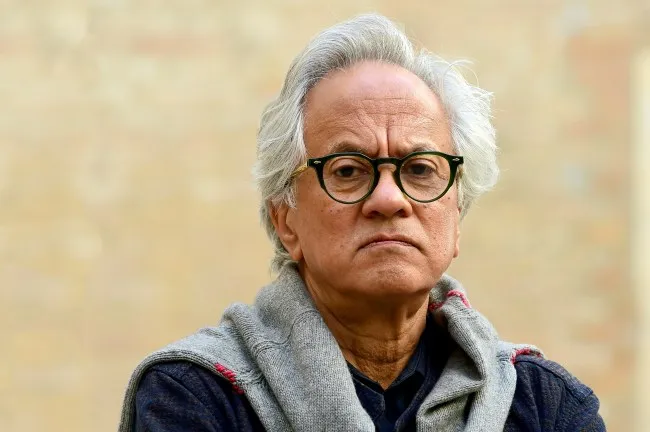

In a bold move, Anish Kapoor has called for the exclusion of the US from the upcoming Venice Biennale, citing its “abhorrent politics of hate” and “incessant warmongering.” This statement comes amidst growing tensions surrounding various national pavilions, particularly those representing Israel and Russia.
Kapoor’s remarks resonate deeply within a context where art and politics intertwine. The Venice Biennale, known for showcasing international artistic talent, has become a platform for political protest. The resignation of the international jury in response to Israel and Russia’s inclusion amplifies this issue, delaying prize announcements until November 2026.
Artists like Alma Allen, who represents the US entry with his 30 sculptures, face scrutiny. His selection is perceived by some as influenced by the Trump administration, raising questions about artistic integrity versus political affiliations.
Political controversies don’t stop at the US pavilion. Over 200 participants have signed a letter demanding the cancellation of the Israeli pavilion, citing ongoing violence and oppression. This collective refusal to support what they term as genocide highlights how artists are leveraging their platforms to voice dissent.
The Italian ministry of culture has confirmed that the Russian pavilion will remain closed to the public, reflecting broader European sentiments against Russia’s actions. Furthermore, the European Commission plans to suspend its €2 million grant for this exhibition due to these geopolitical tensions.
As Jeffrey Uslip notes, “A lot of people expect abstract work or political work to look a certain way.” This expectation complicates how we perceive art within such charged contexts. The intersection of art and activism continues to challenge traditional boundaries.
What remains uncertain is how these developments will shape future exhibitions and artist selections. With Kapoor’s outspoken stance echoing through art circles globally, one must wonder—will other artists join him in calling for further exclusions based on political grounds?

As Latest News UK's Sports Reporter, Hannah Whitfield reports on tennis, cricket and athletics for readers across the country. She built her name covering the county circuit and Team GB at two Commonwealth Games. She holds a degree in Sport and Media from Loughborough University and completed an NCTJ diploma. Hannah lives in Bristol, where she plays club tennis and coaches a junior side. “Sport is at its best when you let the athletes tell the story.”