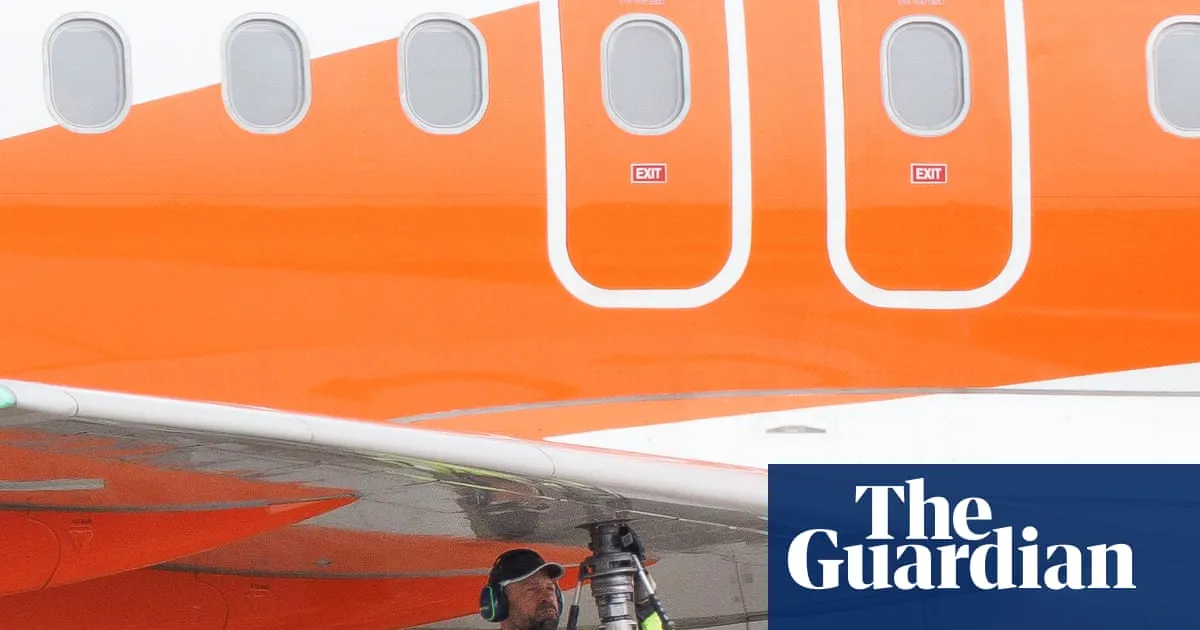

UK airlines now face a challenging landscape as they are allowed to cancel flights in advance due to a jet fuel shortage stemming from ongoing geopolitical tensions, particularly the conflict in the Middle East. This decision raises crucial questions about how airlines will manage their operations during such crises.
The UK imports about 65% of its jet fuel, much of which comes from the Middle East. As a result, the war in Iran has led to soaring prices for aviation turbine fuel. In fact, at the end of April 2026, the price reached $4.51 per gallon—up significantly from the assumed cost of $2.24 per gallon that Spirit Airlines had planned for 2026.
In light of these pressures, UK airlines can now cancel or consolidate flights at least two weeks in advance. Rob Bishton noted that relaxing slot rules at airports would give airlines more flexibility, allowing them to notify passengers of cancellations as early as possible during this tumultuous period.
But it’s not just UK airlines feeling the strain. Spirit Airlines recently declared bankruptcy and has wound down operations entirely after failing to secure a $500 million bailout. This shutdown left approximately 17,000 employees without jobs—a stark reminder of how fragile airline operations can be under economic pressures.
Key impacts on the airline industry:
- Lufthansa cancelled around 20,000 flights in response to rising aviation turbine fuel costs.
- The shutdown of Spirit Airlines highlights vulnerabilities for carriers operating on thin margins.
- Surging fuel costs have exposed how sensitive airlines are to external shocks.
The situation remains fluid; officials have not confirmed how long these cancellations might continue or what criteria will be used for flight consolidation. The energy crisis triggered by the closure of the Strait of Hormuz complicates matters further, raising fears about future supply disruptions.
As we navigate through these turbulent times, one thing is clear: the landscape for air travel is shifting dramatically. Will this lead to long-term changes in how airlines operate or even reshape the entire industry?

As Latest News UK's Sports Reporter, Hannah Whitfield reports on tennis, cricket and athletics for readers across the country. She built her name covering the county circuit and Team GB at two Commonwealth Games. She holds a degree in Sport and Media from Loughborough University and completed an NCTJ diploma. Hannah lives in Bristol, where she plays club tennis and coaches a junior side. “Sport is at its best when you let the athletes tell the story.”