
Norway’s strategy questioned
Norway opted to rest key players, including star forward Erling Haaland, in their final World Cup 2026 group stage match against France. This decision led to a 4-1 defeat for Norway at Boston Stadium. Haaland, who had scored four goals in the two previous group games, started on the bench, marking the first time since 2024 he was excluded from the starting XI. Manager Stale Solbakken made 10 changes to the team, a move he described as a “no-brainer” given the team had already qualified for the knockout stages.
The decision to rest players was influenced by feedback from the physio, health, and medical departments, as well as some players themselves. Solbakken acknowledged that Norway fans would have preferred to see Haaland and Martin Odegaard play. He explained that after the game against Senegal, five or six players were significantly affected after 80 minutes, including the entire defensive line and some midfielders. This strategy aimed to ensure players were fit for the later stages of the tournament.
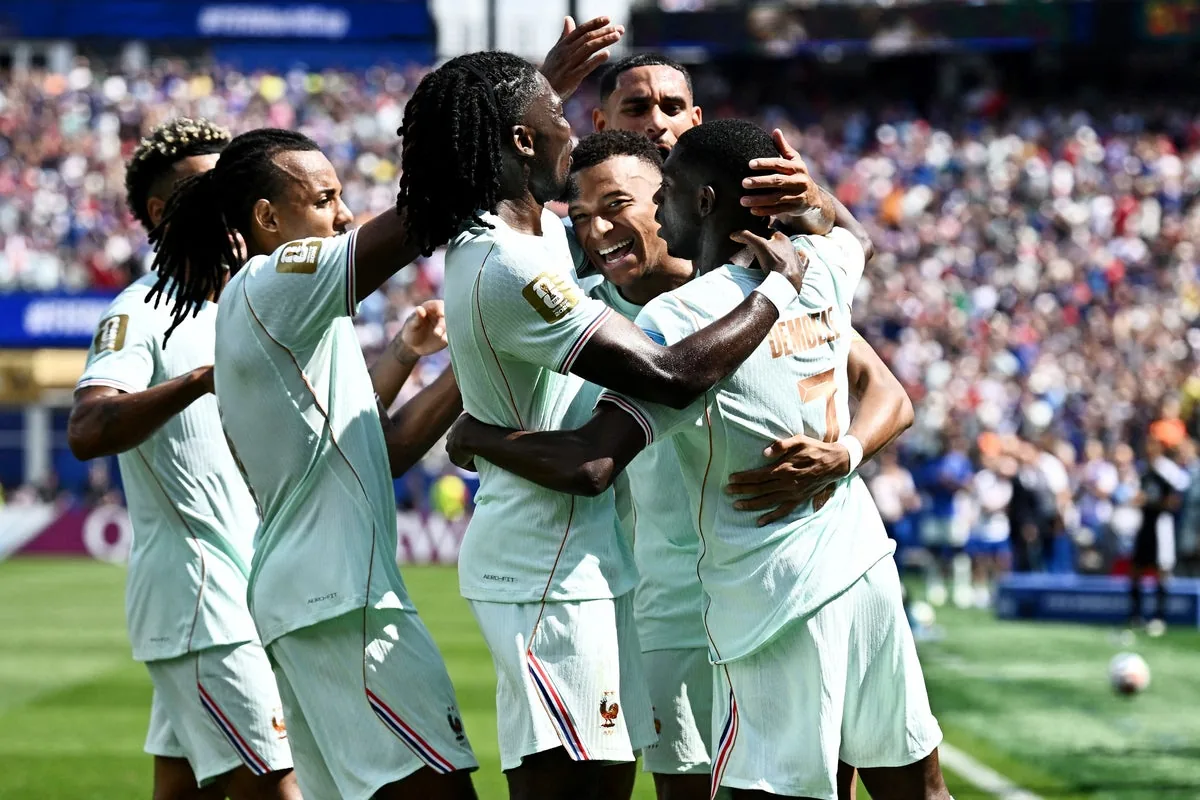
Despite the changes, France secured a dominant victory, with Ousmane Dembele scoring a 25-minute first-half hat-trick. Kylian Mbappe also played a role, hitting the crossbar early in the match. Desire Doue added a fourth goal for France. For Norway, Jorgen Strand Larsen missed a penalty that could have reduced France’s lead to 3-2 after half-time. The match was described as a missed opportunity for a Golden Boot showdown between Mbappe and Haaland.
Impact of the decision
The extensive changes by Norway raised questions among former players and fans. Former England striker Ian Wright expressed surprise at the number of changes, especially since Norway had used the same starting XI for their wins against Iraq and Senegal. Former Scotland winger Pat Nevin highlighted the physical style of play adopted by the Norwegians and suggested that avoiding injuries was a priority. He speculated that if Norway had fielded their usual side, which includes several tall players like Haaland, France might have faced a different challenge.
Roy Keane, a former Republic of Ireland midfielder, supported Solbakken’s reasoning, noting that Norway, playing in their first World Cup since 1998, are not yet accustomed to tournament football. He suggested that Norway’s priority was to qualify from the group, and the manager likely believed it would be difficult to defeat France, making rest a sensible option for the next week’s games. Guy Stephan, France’s assistant coach, was not surprised by Norway’s line-up changes, understanding that Solbakken was preparing for the round of 32.
Thousands of Norway fans travelled to the United States to support their team, and some at Boston Stadium were reportedly puzzled by the team news. However, others continued their Viking-style row celebration throughout the game. This instance marks a team making 10 or more changes to their starting XI in a single World Cup edition. Spain made 11 changes in 2006 and won their final group game but later lost 3-1 to France in the last 16. In contrast, Belgium made 10 changes in 2018, defeated Japan 3-2, and then beat Brazil 2-1 in the quarter-finals before being eliminated by France.
Looking ahead for Norway
France topped Group I with three wins, earning them a last-32 match at the New York New Jersey Stadium on 30 June against the runners-up of Group F or G. Meanwhile, Norway now face a significant travel challenge. Their next game requires a trip from their base in Greensboro, North Carolina, to Arlington, Texas, where they will play Ivory Coast on the same day. Had they topped the group, their travel distance would have been half of that.
The decision to rest players is a gamble, with the full impact to be seen in their upcoming knockout stage performance.
Ousmane Dembele’s hat-trick against Norway showcased France’s depth in attacking talent, with players like Michael Olise, Bradley Barcola, and Desire Doue also contributing. This performance highlighted France’s potential as tournament favourites. The expanded tournament has seen five players score four or more goals in the group stage, with Dembele and Mbappe among them, each having scored four goals. France’s next match is scheduled for 30 June.
Read Also
- Kimi Antonelli leads Austrian GP practice amidst reliability issues for Verstappen, Norris, and Hadjar
- Midfield transfer speculation heats up as Arsenal pursues Bruno Guimarães
- Wimbledon 2026 draw sees Serena Williams face Maya Joint, Jack Draper to play Taylor Fritz
- Senegal secure crucial 5-0 victory against 10-man Iraq in World Cup Group I
Source: bbc.co.uk

As Latest News UK's Sports Reporter, Hannah Whitfield reports on tennis, cricket and athletics for readers across the country. She built her name covering the county circuit and Team GB at two Commonwealth Games. She holds a degree in Sport and Media from Loughborough University and completed an NCTJ diploma. Hannah lives in Bristol, where she plays club tennis and coaches a junior side. “Sport is at its best when you let the athletes tell the story.”